
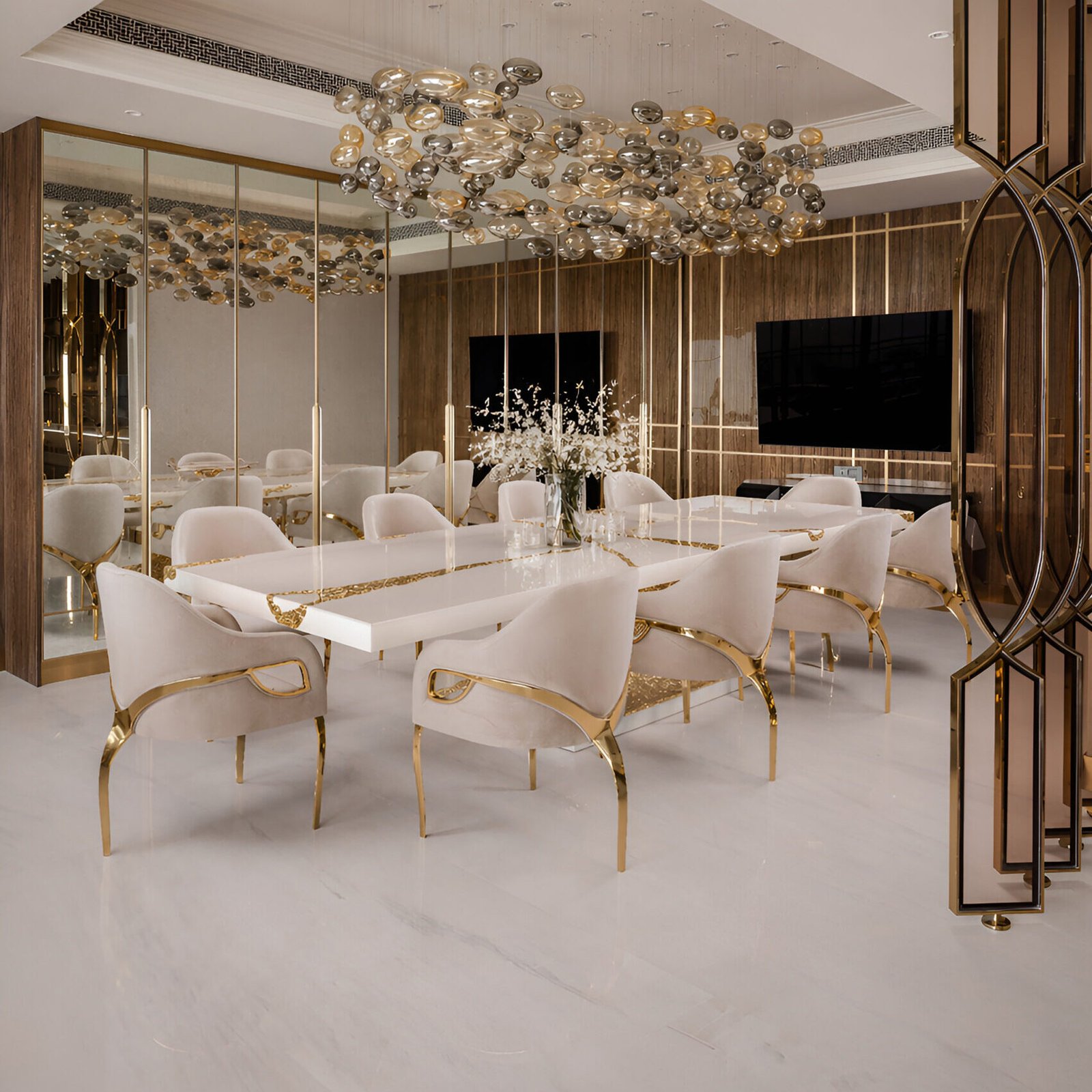
The relationship between Art and Interiors has never been more fluid. Today, homes are no longer designed solely around functionality or aesthetics; they are becoming curated environments that reflect the personalities, passions, and stories of those who inhabit them. As homeowners seek greater individuality and meaning in their spaces, collectible design and statement pieces are emerging as defining elements of contemporary interiors.
From sculptural furniture and artisanal lighting to bespoke installations and limited-edition objects, design is increasingly being viewed through the lens of art. These pieces do more than fill a space—they become conversation starters, focal points, and expressions of personal identity. Whether it’s a handcrafted chair that doubles as a work of art or a striking installation that anchors an entire room, collectible design is transforming the way people experience their homes.
This growing appreciation for craftsmanship, authenticity, and rarity reflects a broader shift towards mindful living and intentional curation. Homeowners are moving away from mass-produced aesthetics in favour of unique creations that carry a sense of history, artistry, and emotional value. Designers, too, are embracing this approach, seamlessly integrating art, design, and architecture to create spaces that feel layered, immersive, and deeply personal.
In this feature, we explore how collectible design is reshaping residential interiors and why art-led living is becoming one of the most influential movements in contemporary design. Through thoughtful curation and distinctive pieces, today’s homes are evolving into dynamic spaces where creativity, culture, and craftsmanship take centre stage.
We speak with leading industry experts to explore their approach to curating statement pieces and creating homes where design transcends function to become a powerful form of personal expression.
Shivani Gupta Mittal, Principal Designer, House of Lalittya
We founded House of Lalittya on a single conviction: that a home is not a project to be completed – it is a story being written. That belief has never felt more relevant than it does today.
Across our residential projects, we are witnessing a profound and irreversible shift. Clients are no longer walking into our studio asking for a beautiful room. They are asking for something rarer, a space that carries meaning. A home that, ten years from now, still has something to say about who they are and what they value. The most powerful interiors are not designed to impress on arrival. They are designed to reveal themselves, slowly, and over a lifetime.
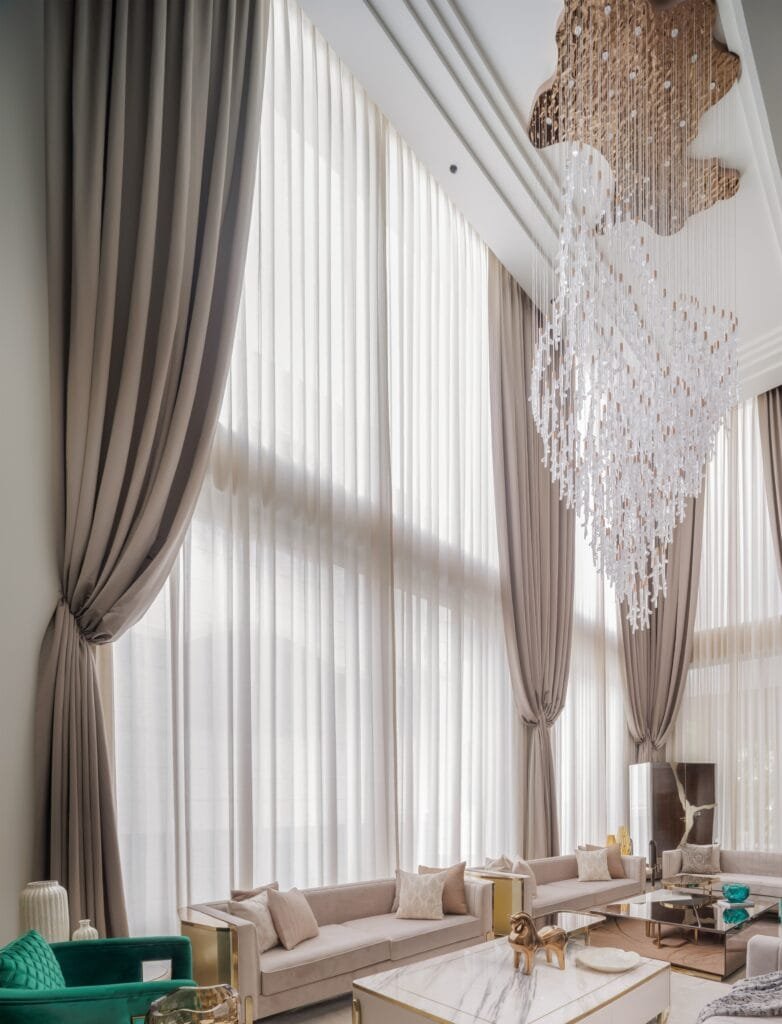
Collectible design and art-led interiors are the language of this aspiration. A hand-forged brass fixture made by a single craftsman in Moradabad. A sculptural console conceived as furniture but experienced as sculpture. An heirloom textile woven with a technique that cannot be replicated by a machine. These are not decorative decisions — they are acts of intention. They bring provenance, rarity, and a quiet authority that mass production is constitutionally incapable of offering.
What distinguishes this movement from mere luxury consumption is its resistance to trend cycles. The clients who are drawn to collectible design are not chasing the next season — they are building against it. They want objects that age with grace, that accumulate stories, that become more meaningful with time rather than less.
At House of Lalittya, we call this approach slow interiors. Not minimal, not maximalist — considered. Every piece chosen because it earns its place. Because it contributes to the narrative of the home, not just its aesthetic. That is the standard art-led design holds us to, and it is one we are proud to build by.
Priyanka P Mehra & Piyush Mehra, Founders & Principal Architects, PS Design
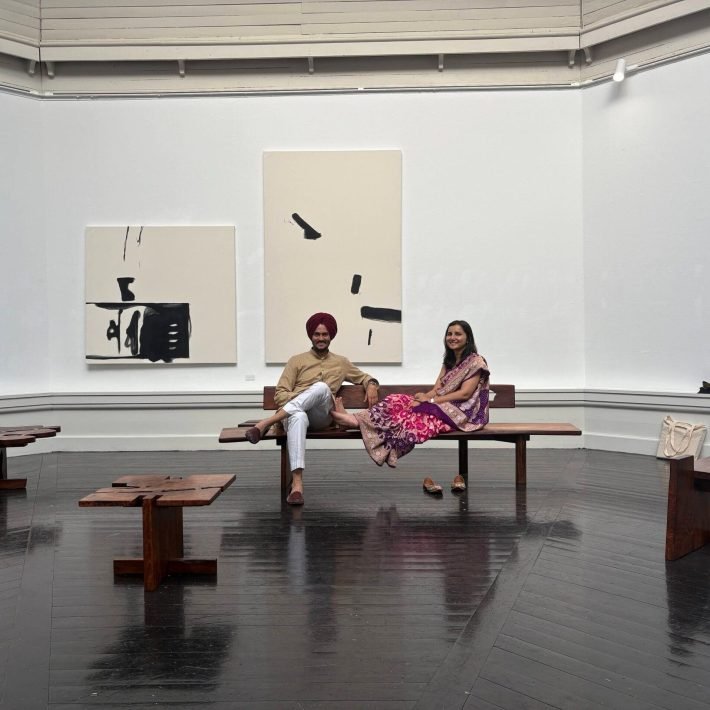
For a long time, art was treated as the final layer in a home. Furniture would be selected, lighting installed, and rugs placed; only then would someone begin looking for paintings to fill empty walls. That approach has changed completely. Today, art is often one of the first decisions shaping a space’s direction.
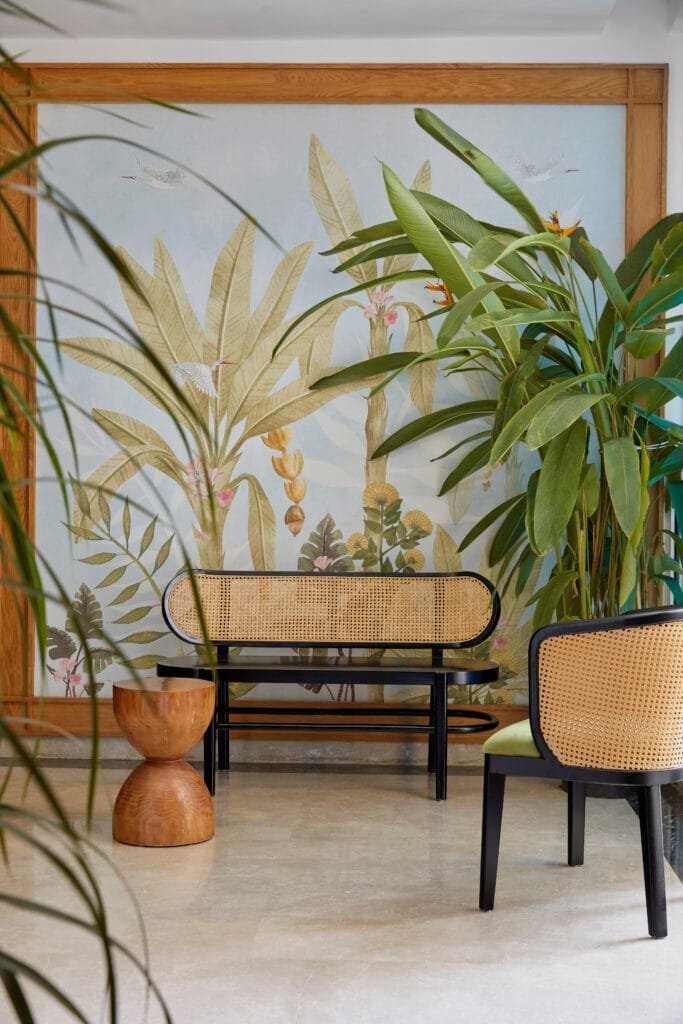
We see clients wanting an entire design story around a single artwork, sculpture or collectible piece because art can establish mood immediately. A bold abstract canvas can make a room feel energetic and expressive, while softer landscapes or textural works create a more reflective atmosphere. The emotional quality of a home often begins there.
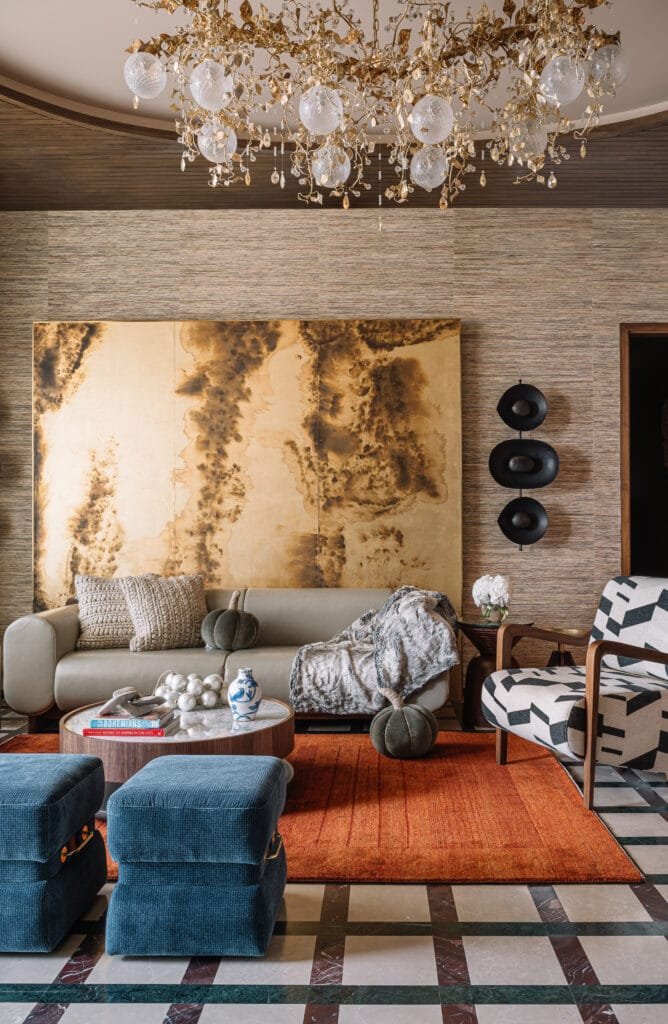
What makes art-led interiors interesting is that they feel deeply personal. People are moving away from perfectly coordinated spaces and leaning into homes that tell stories about their travels, interests and memories. A vintage poster collected abroad, a ceramic piece found at a flea market or a painting inherited from family can become just as important as the furniture itself.
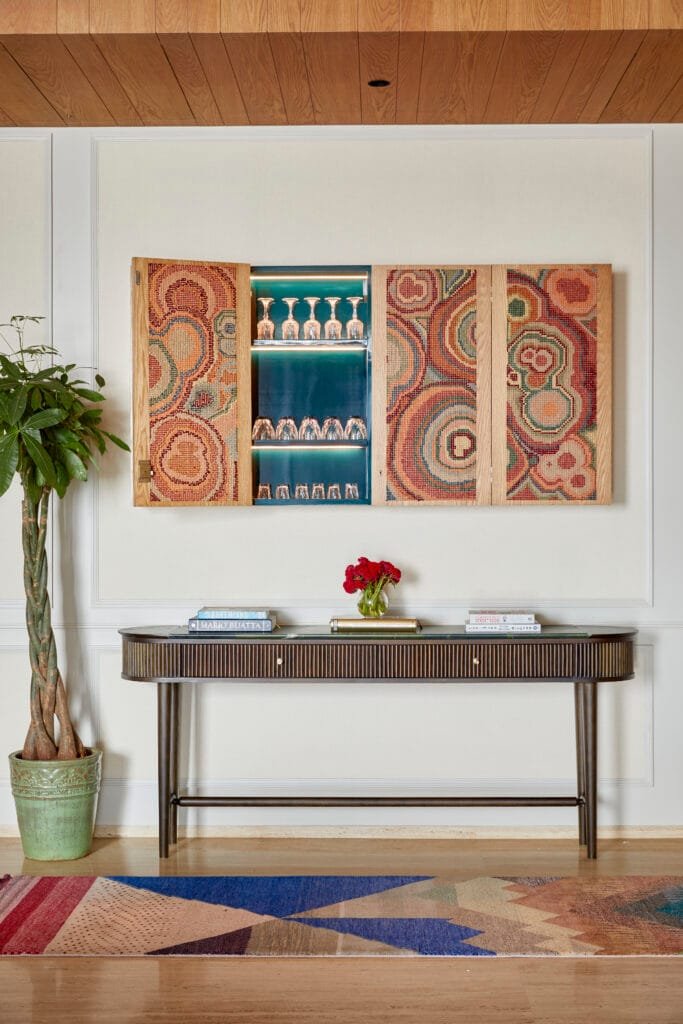
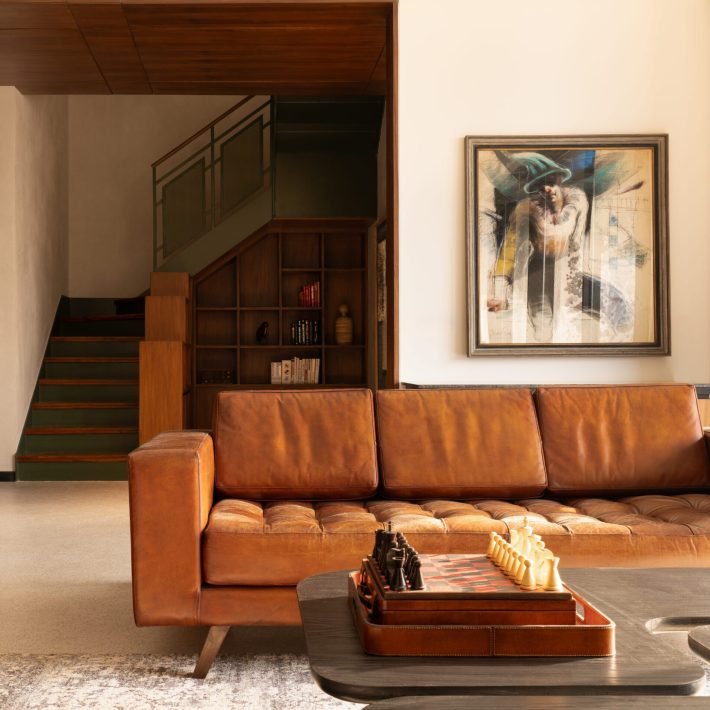
Placement is equally important. A striking artwork above a fireplace or behind a sofa naturally becomes a focal point and can visually balance larger furniture pieces within the room. Sometimes we even adjust layouts, lighting heights or wall finishes specifically to allow the artwork to breathe properly.
I think the biggest shift is that people are no longer asking whether art matches the interiors. Instead, interiors are being shaped around what resonates emotionally with the homeowner.
Martin Chab, Founder & CEO, Sans Souci
One of the most exciting shifts in interiors today is how collectible design is becoming part of everyday living instead of existing only in galleries or formal display spaces. People want their homes to feel curated, but they also want them to feel lived-in and approachable.
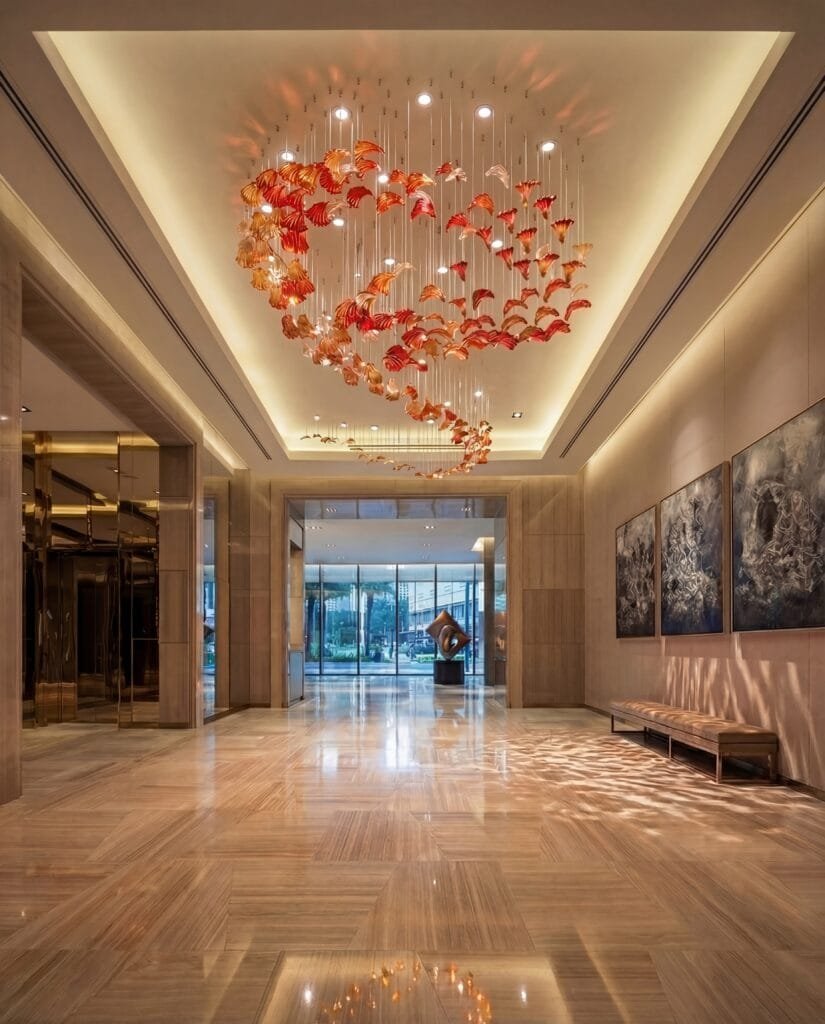
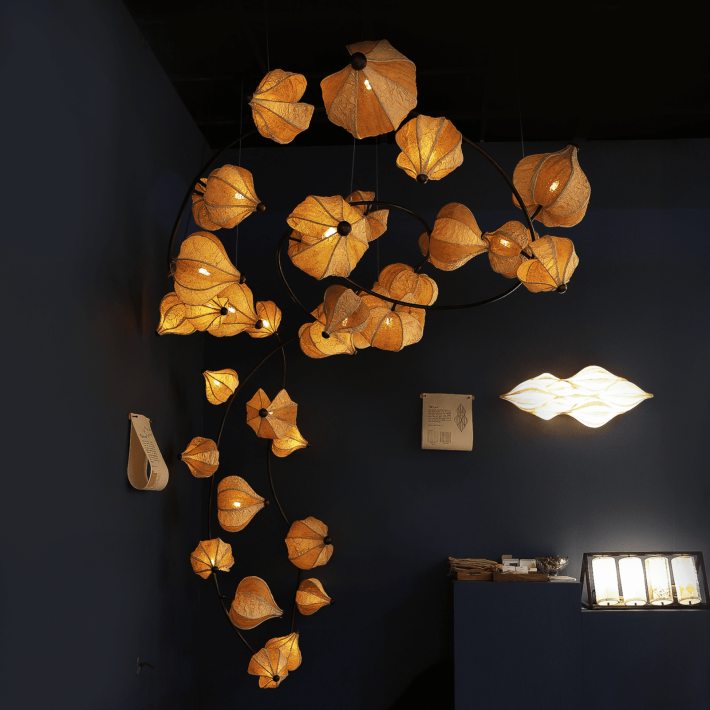
That is where functional art becomes incredibly interesting. Sculptural and hand-crafted lighting, collectible ceramics, or even artistic furniture pieces are now treated as centrepieces within a room. They are objects people use every day, but they also carry the emotional and visual weight of artworks.
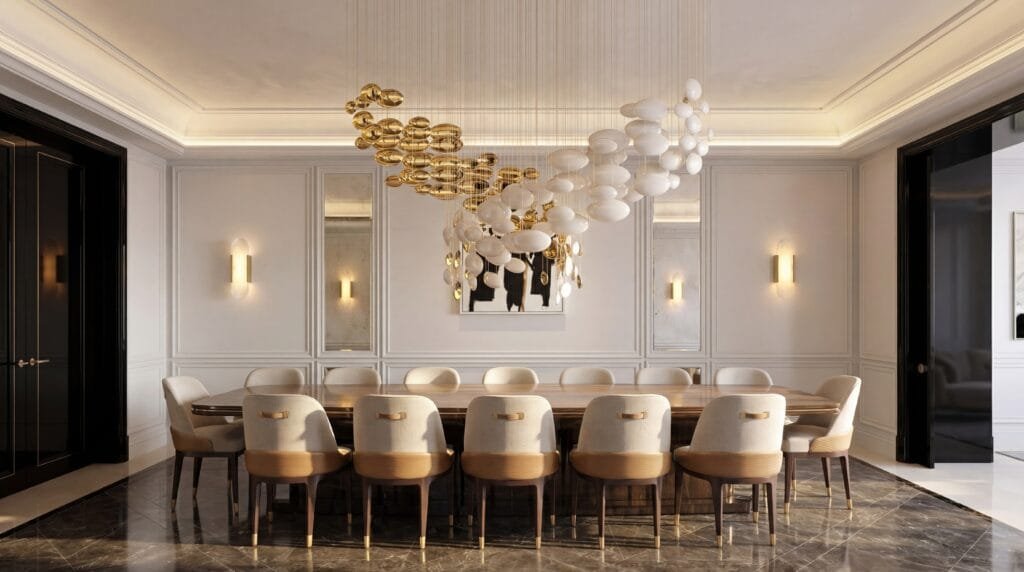
I think clients are becoming more comfortable mixing categories. A sculptural chandelier could become the focal point of a living room instead of a painting. Such combinations create homes that feel layered and personal rather than overly staged.
There is also growing appreciation for craftsmanship and limited-edition work. People are investing in pieces that feel unique because they want interiors that cannot be replicated easily. Collectible design introduces individuality in a very natural way.
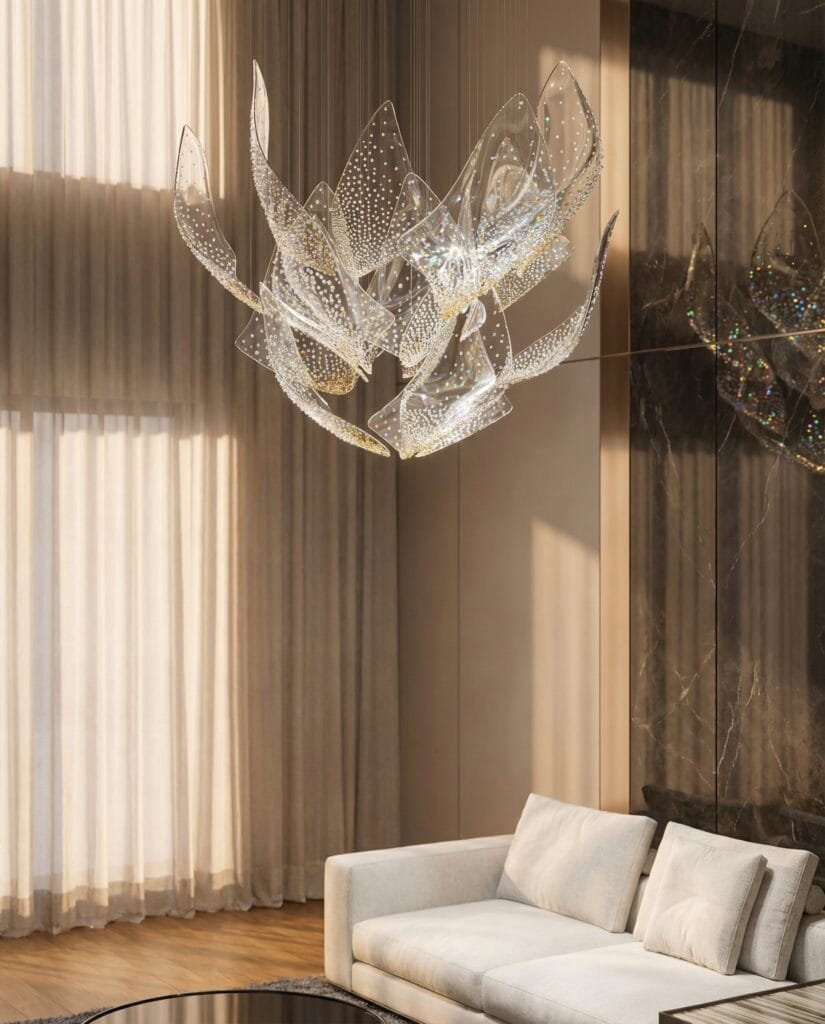
What I personally enjoy is how these objects create conversation within a space. A hand-carved chair, a dramatic mirror or an unusual object collected during travel immediately draws curiosity. Guests interact with the home differently because every piece seems to have its own history or personality.
The key, however, is balance. Collectible pieces should feel integrated into daily life rather than displayed like museum artefacts. The best interiors allow art and function to coexist comfortably.
Anushka Ahuja, Co-founder, Studio by Agni
One of the biggest misconceptions about art-led interiors is that they need to feel dramatic or overly formal. In reality, the most successful homes are often the ones where art feels naturally layered into everyday life.
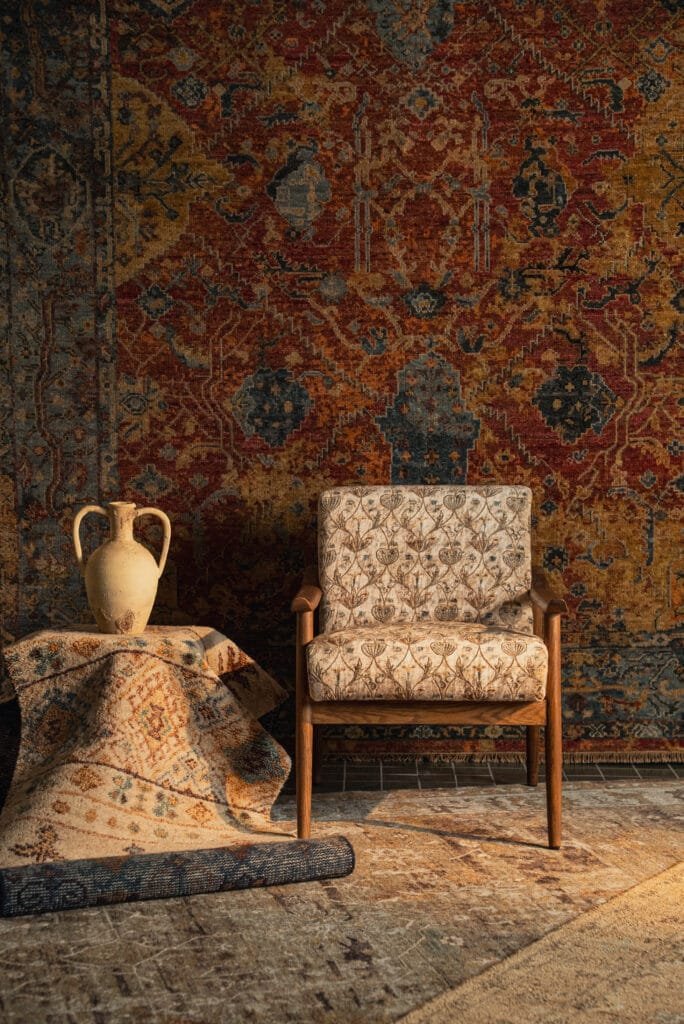
A collection becomes interesting when it evolves gradually over time. It could include paintings, photography, textiles, postcards, ceramics or even small travel finds displayed together. These combinations create visual depth because they reflect different memories and moments instead of feeling overly curated.
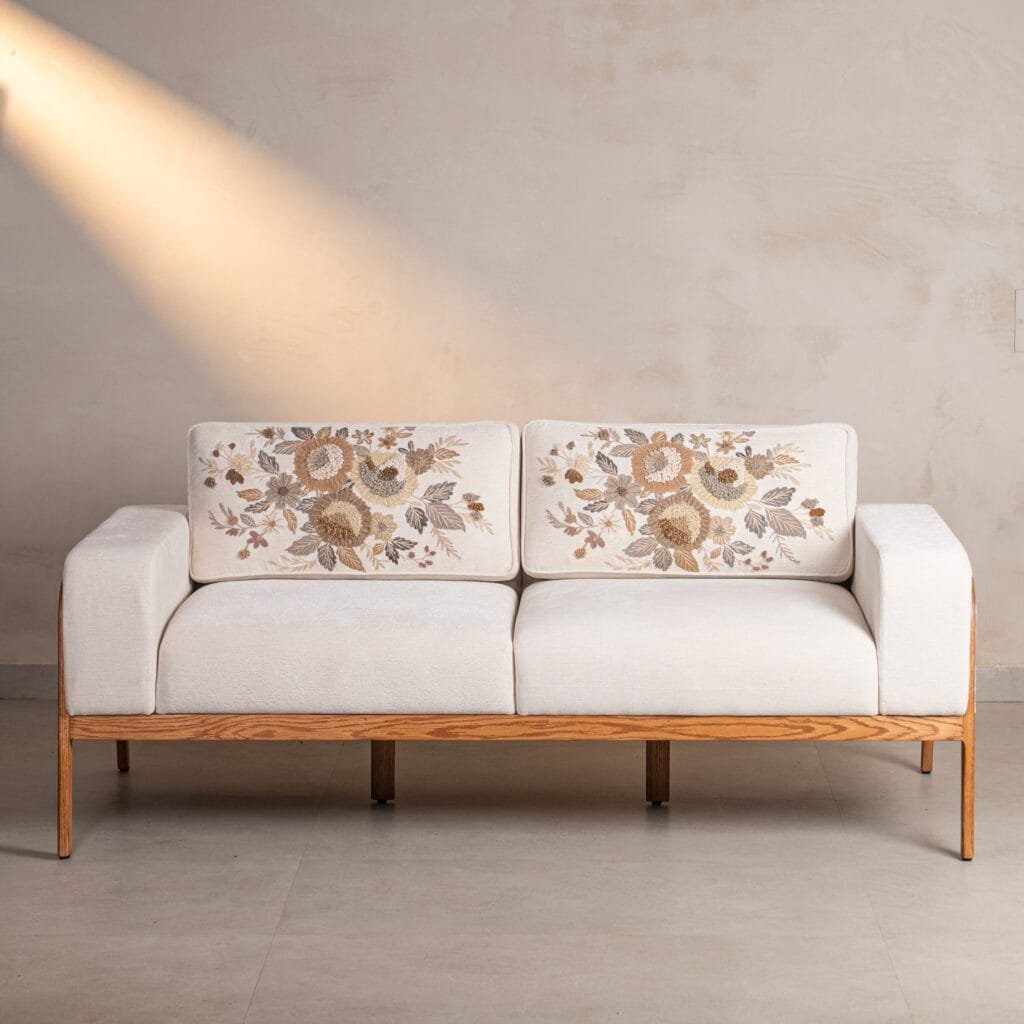
The relationship between art and interiors is also very important. Artwork should not compete aggressively with furniture or architecture. Instead, the pieces should enhance one another. Sometimes a painting echoes the tones of a rug or picks up the texture of nearby ceramics. Other times contrast creates the magic, like placing bold contemporary work inside a quieter, traditional room.
I also encourage clients to move pieces around occasionally instead of treating them as permanent fixtures. Rehanging artwork or repositioning objects can completely transform the energy of a room without requiring major renovations.
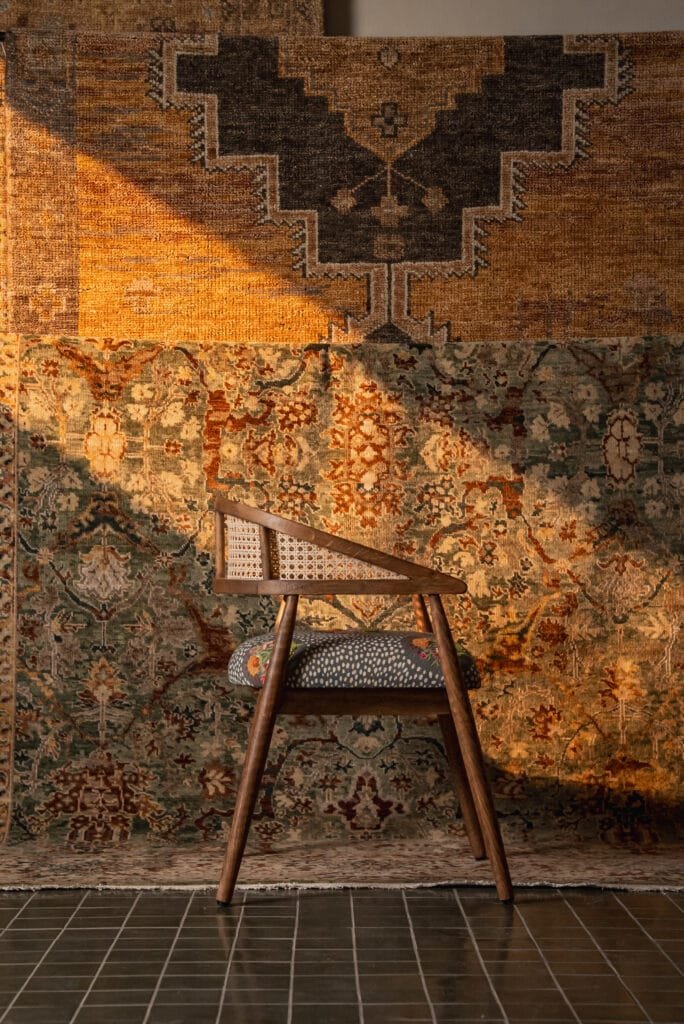
Another interesting shift is that people are becoming more confident about buying what genuinely speaks to them instead of worrying about trends or investment value. That instinct usually leads to far more authentic spaces.
Text: Swati Balgi