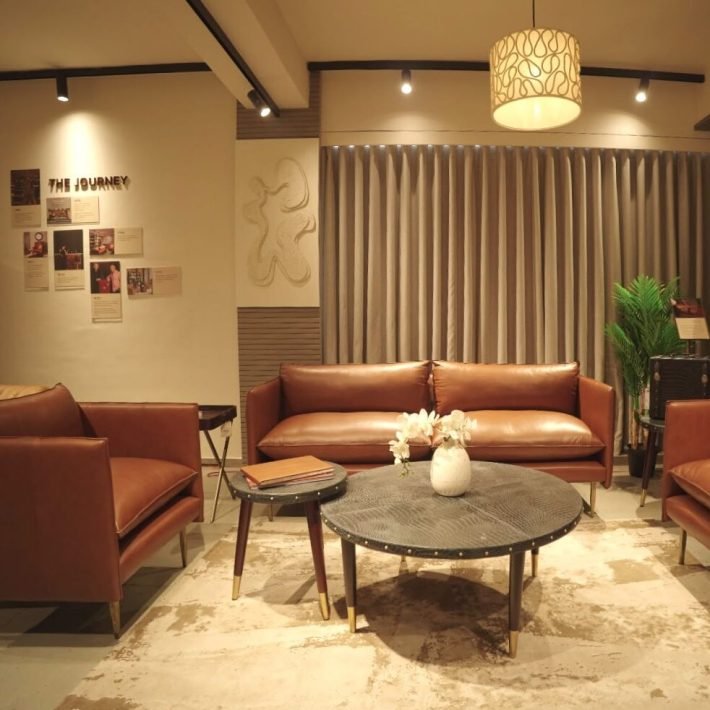

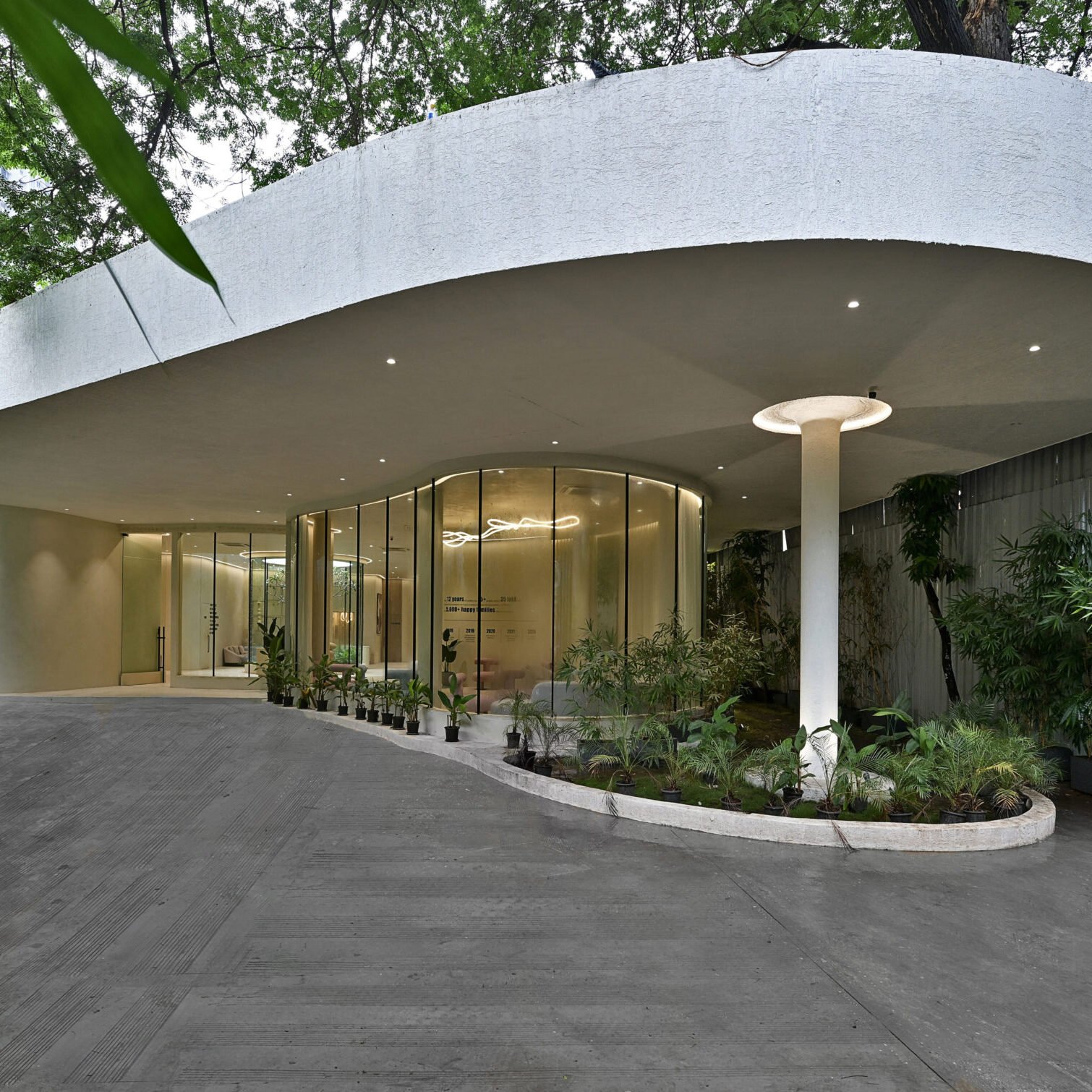
An experience-center in Goregoan where Wabi-Sabi philosophy meets contemporary design and thoughtful curation.
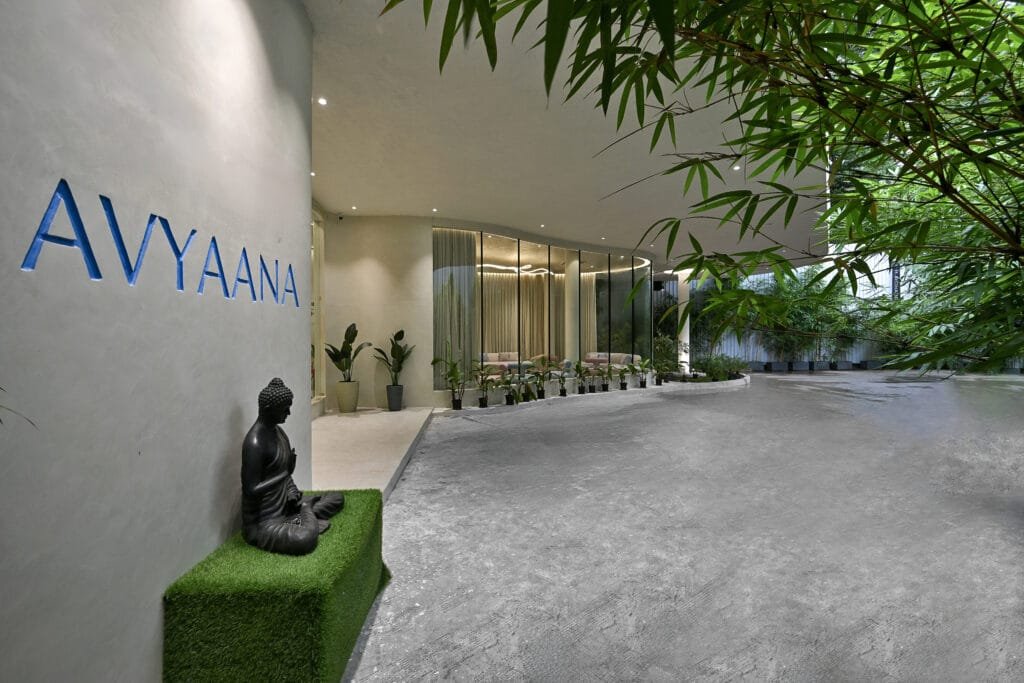
Rooted in the quiet philosophy of Wabi-Sabi, Avyaana, the experience centre in Goregoan embodies the art of simplicity – a spatial narrative that celebrates imperfection, transience, and the beauty of restraint. Rather than striving for immaculate precision, the design embraces time as an active participant, allowing the space to evolve organically with light, shadow, and human presence.
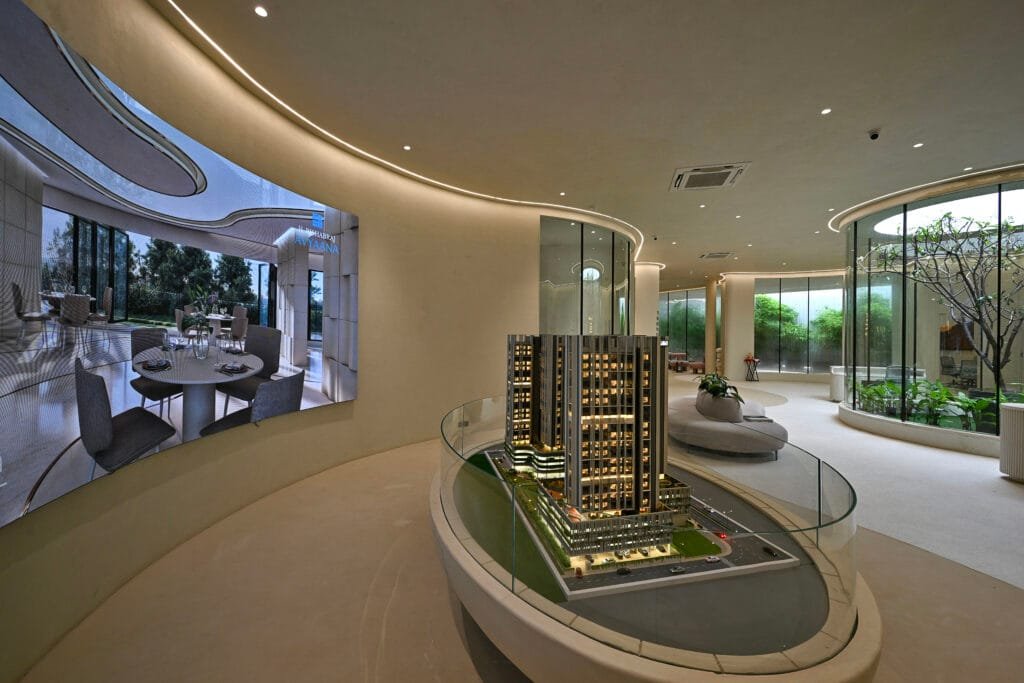
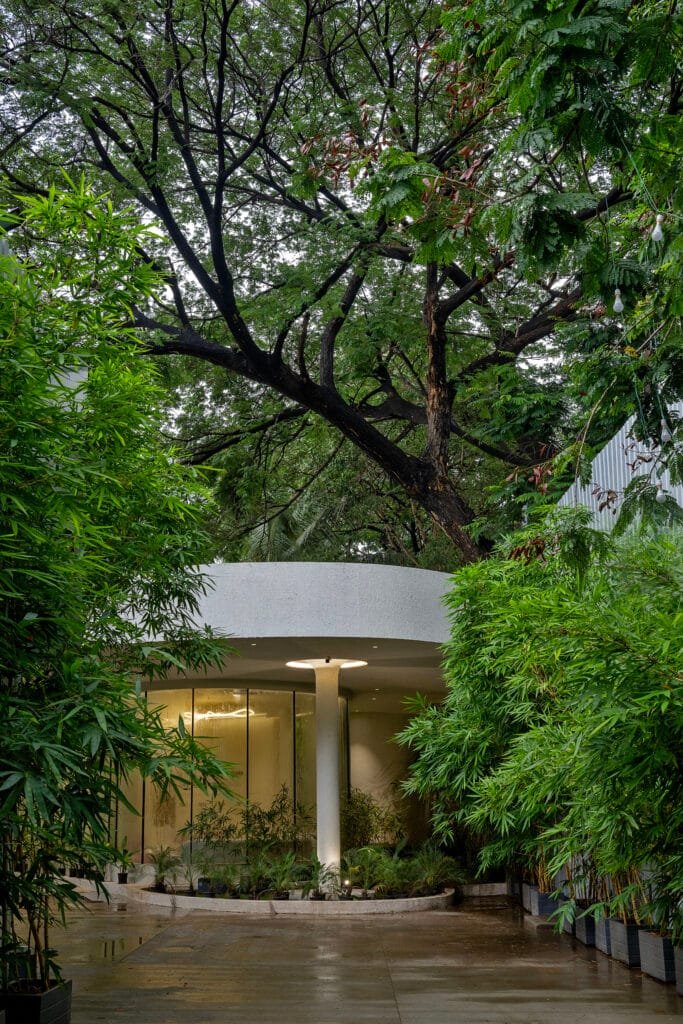
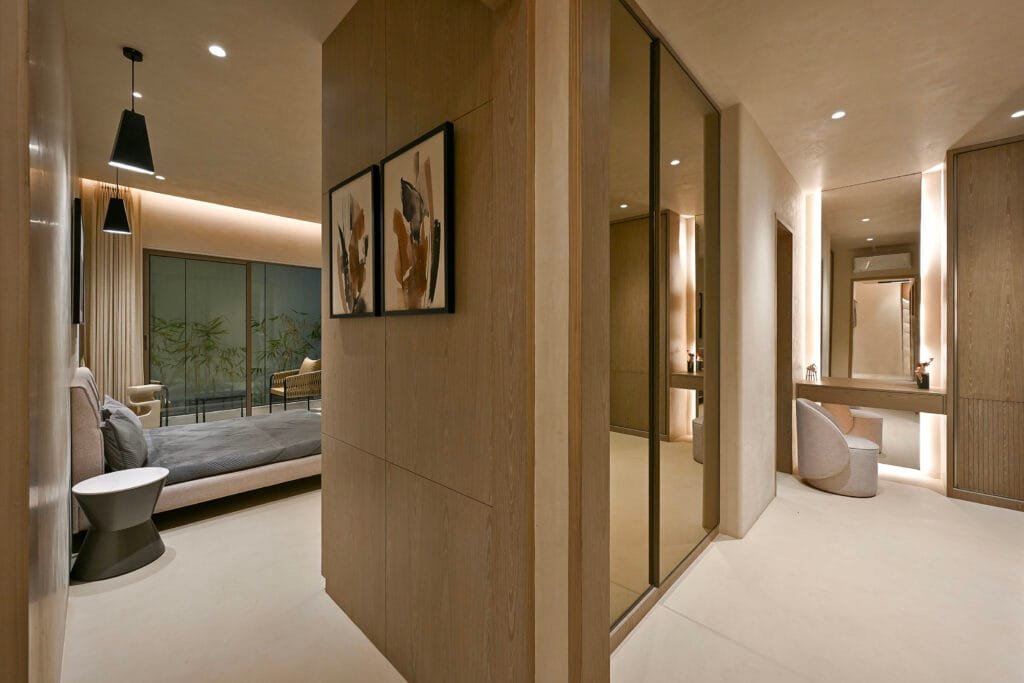
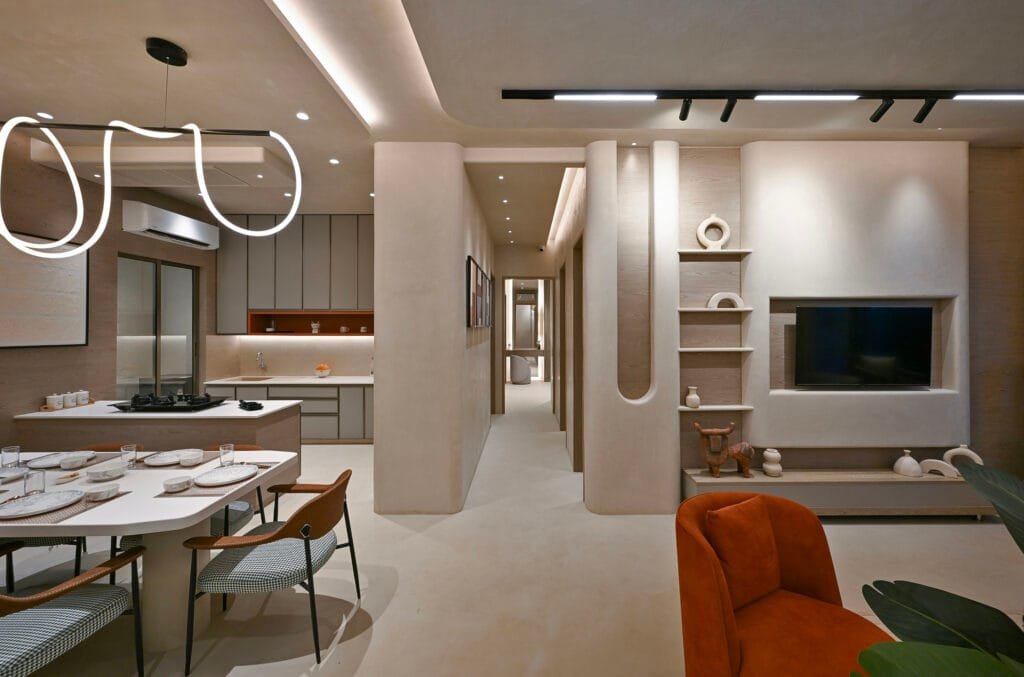
Designed by Gaurav Sanghavi, Harsh Pote, Tanmay Mukherjee, Principal designers at Pentaspace Atelier, the center spreads across an area of 5,850 sq. ft., where-in architecture and interiors converge here as a single, fluid gesture. Neither leads nor follows; instead, they coalesce to form a unified spatial experience where movement feels intuitive and emotion takes precedence. The curvilinear vocabulary softens transitions, dissolving boundaries between zones and nurturing a sense of calm continuity. Every curve is deliberate, not ornamental but emotional, guiding one’s journey seamlessly through varying scales of intimacy and openness.
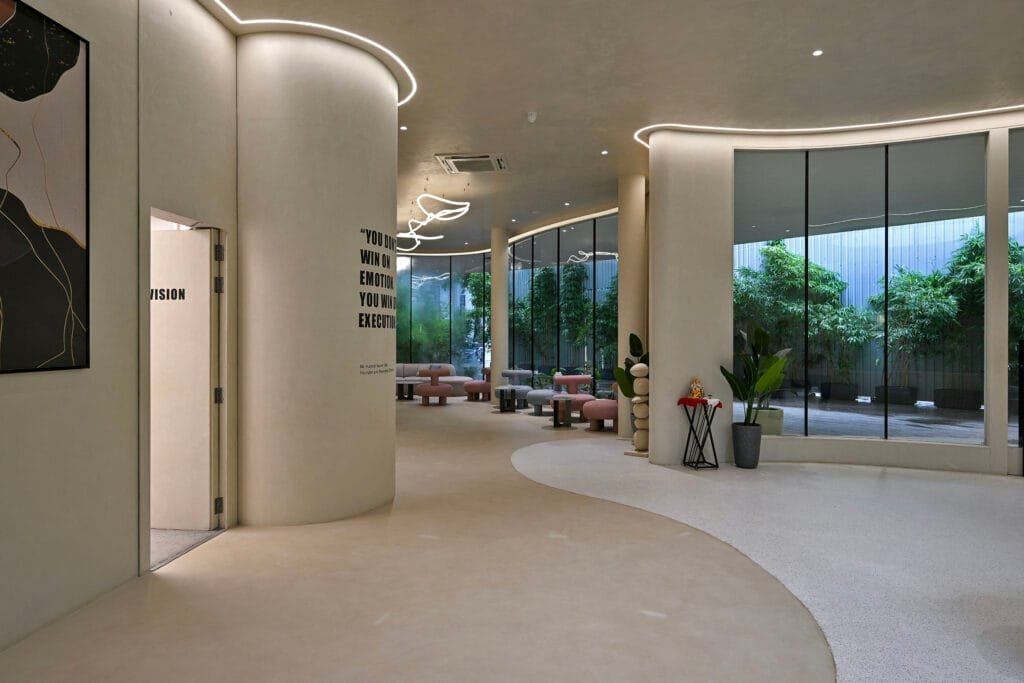
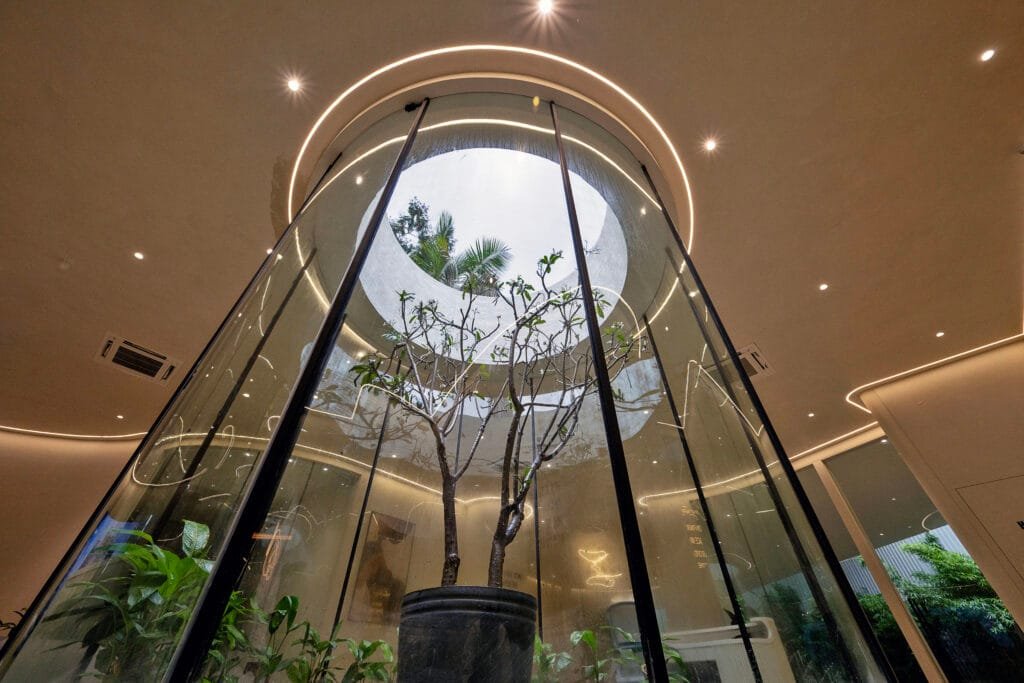
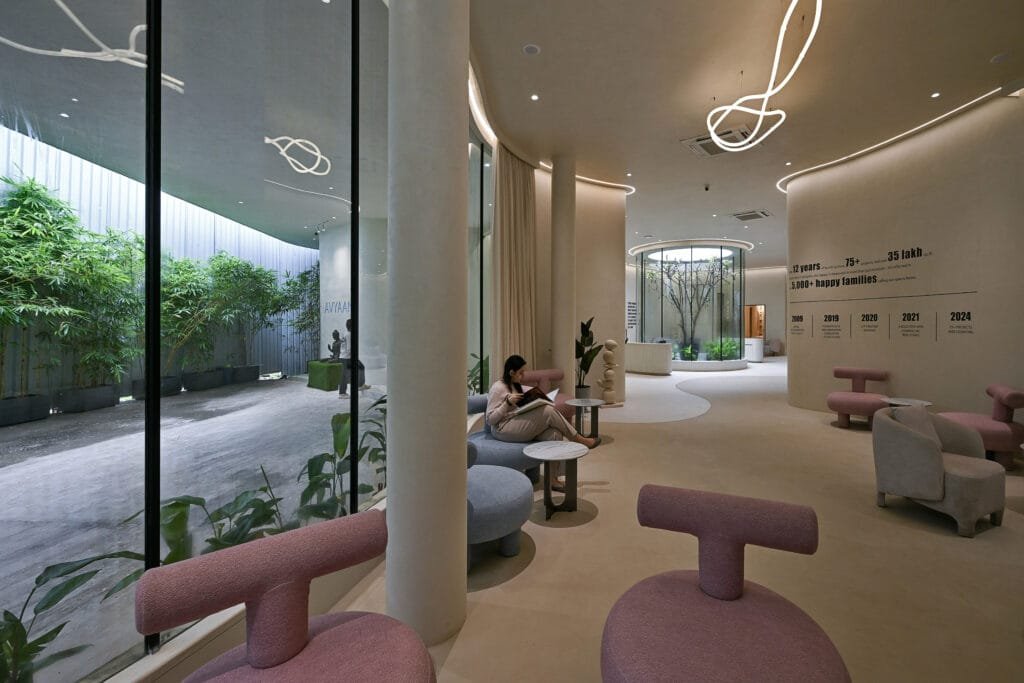
Central to the design is the inward-looking courtyard, conceived as the heart of Avyaana. Enclosed on three sides by taller structures, the site demanded introspection rather than outward gaze. The courtyard becomes a living canvas for the choreography of natural light: shifting hues, casting shadows, and infusing the space with temporal beauty. Through the day, the ambient colour temperature subtly transforms, creating a rhythm of change that mirrors the impermanent nature of Wabi-Sabi.
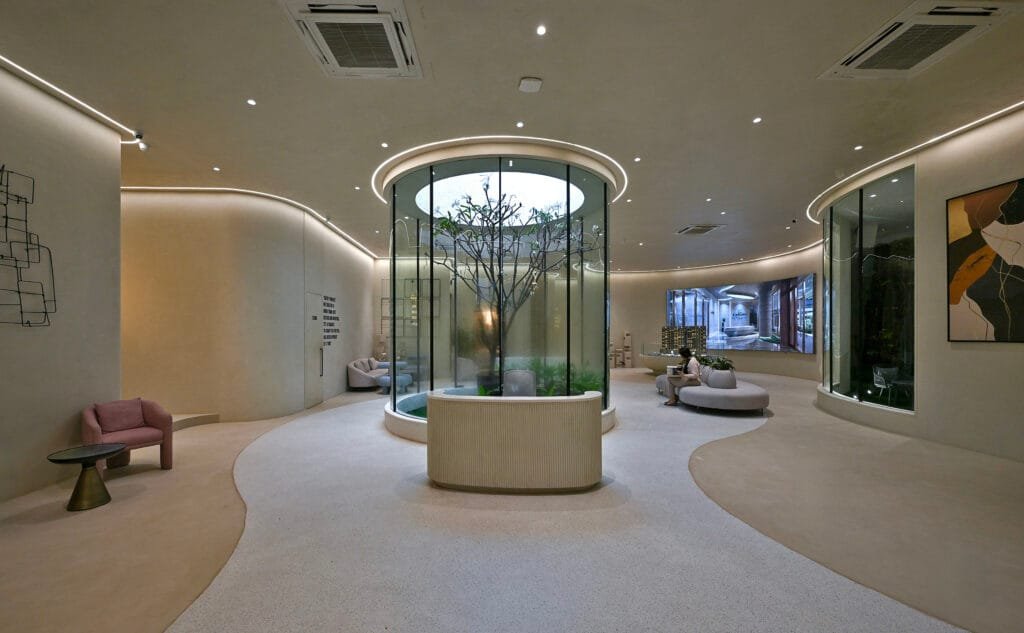
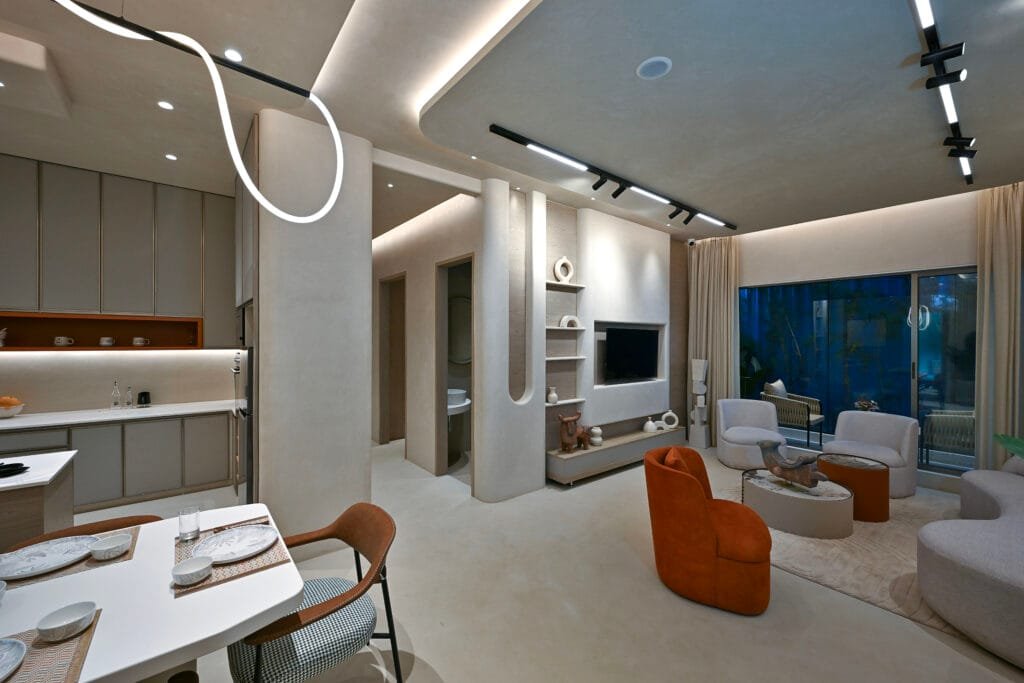
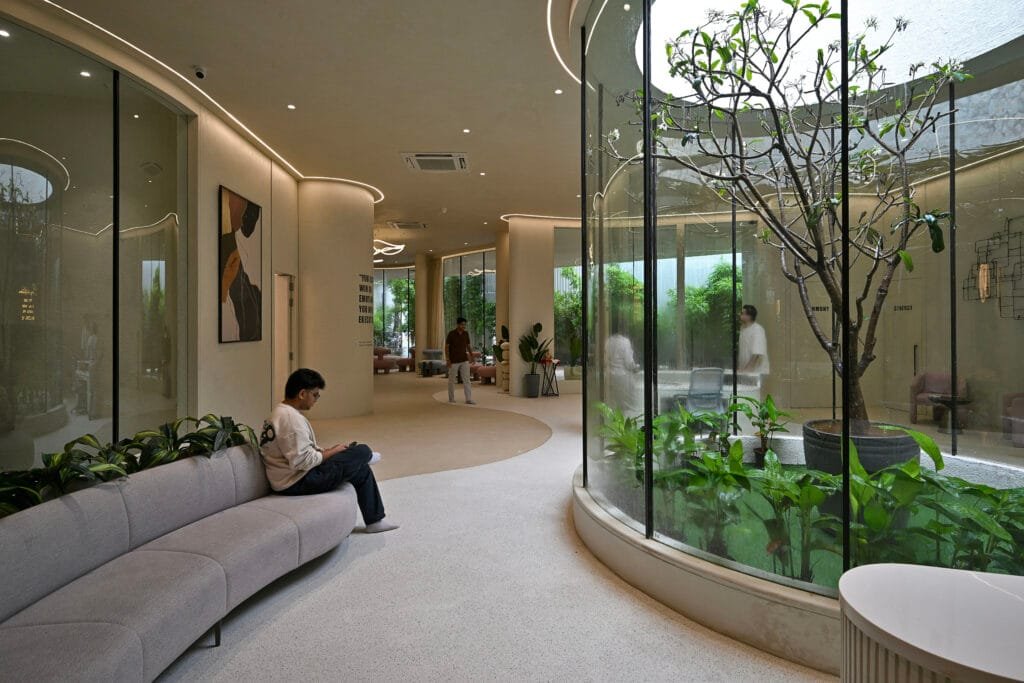
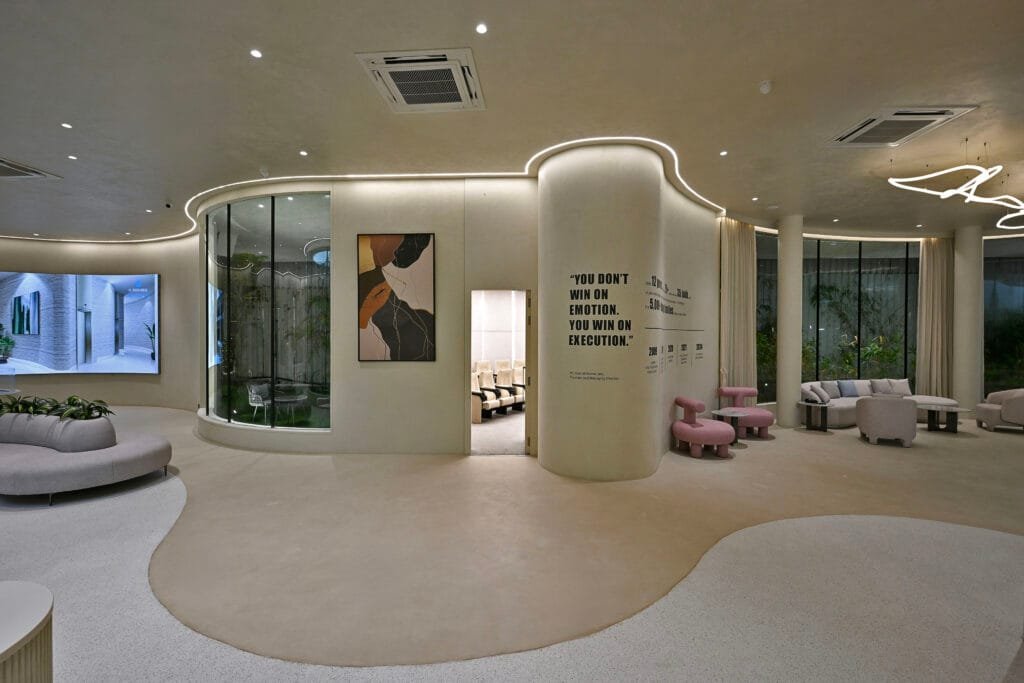
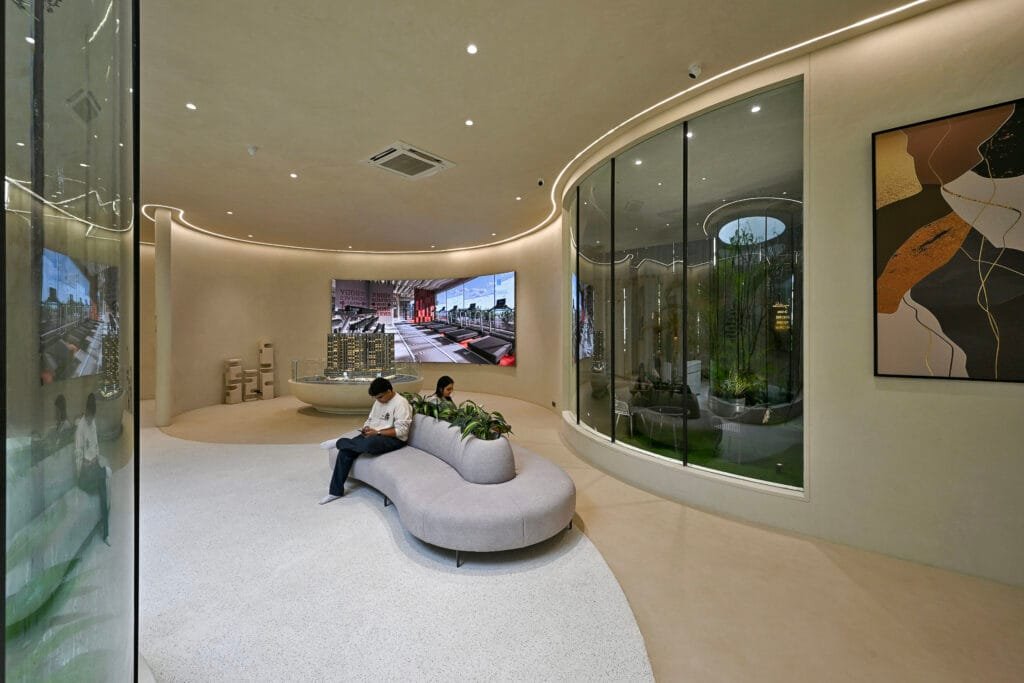
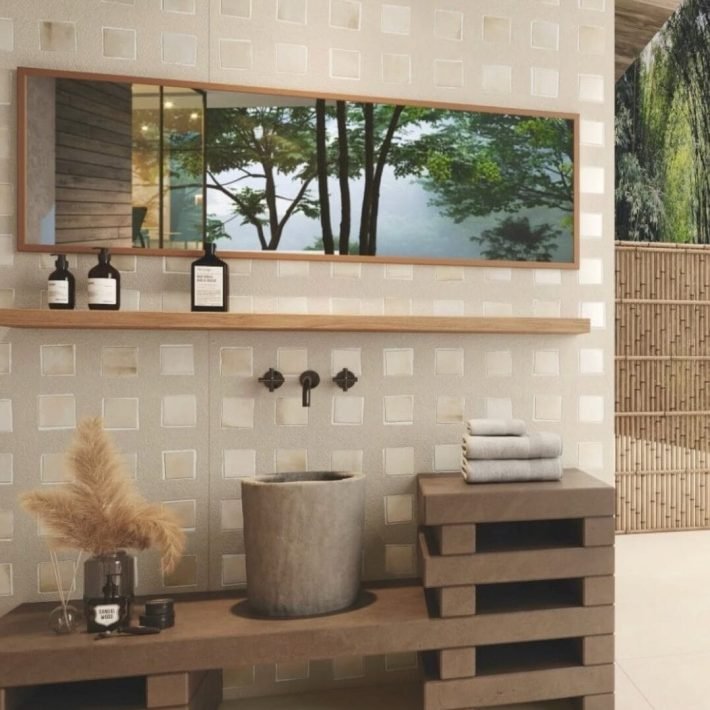
A restrained, monolithic material palette amplifies this sense of cohesion. The fluid transitions between terrazzo and micro-concrete floors, curved lime-plastered walls, and seamless ceilings eliminate visual clutter, inviting quiet contemplation. The tactile warmth of the materials that is soft to the eye and grounding to the touch, enhances the spatial intimacy, while subtle acoustic absorption from the curved surfaces nurtures a meditative silence.
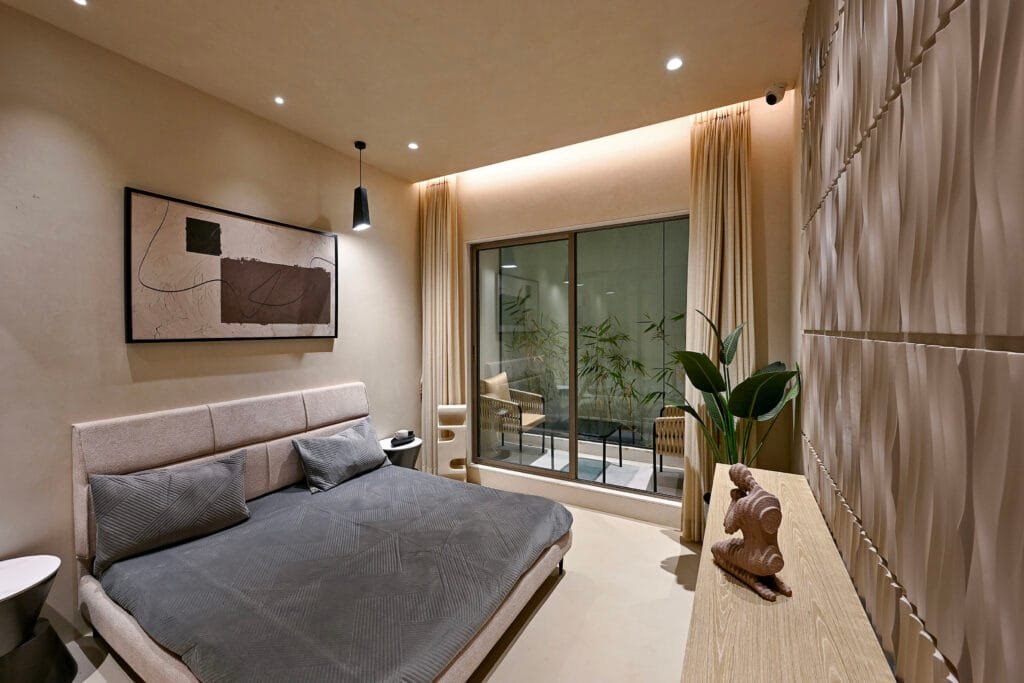
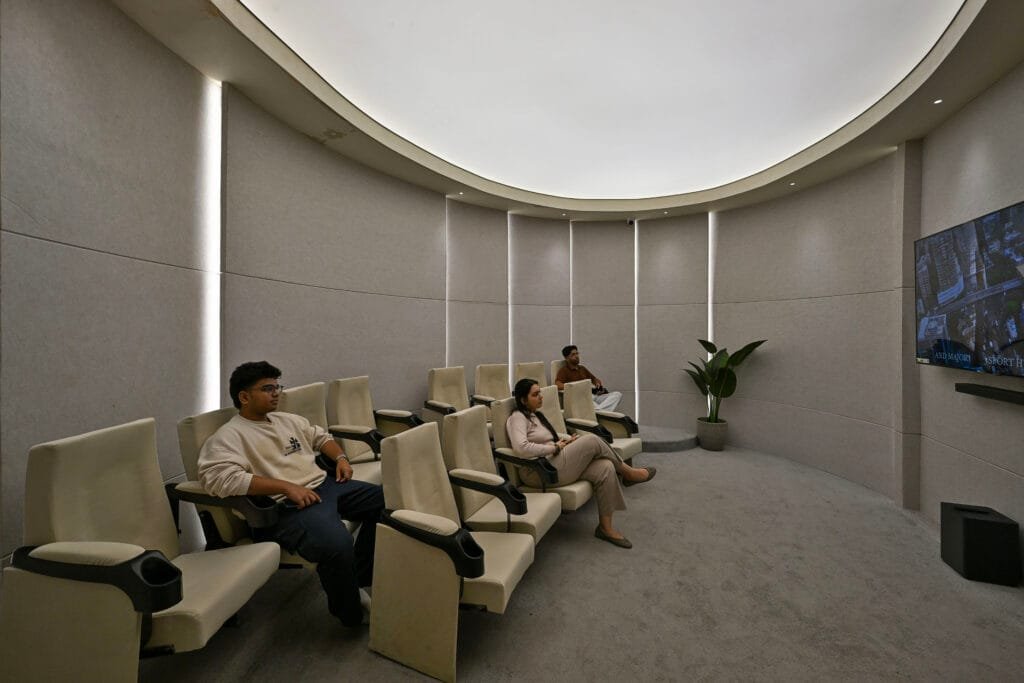
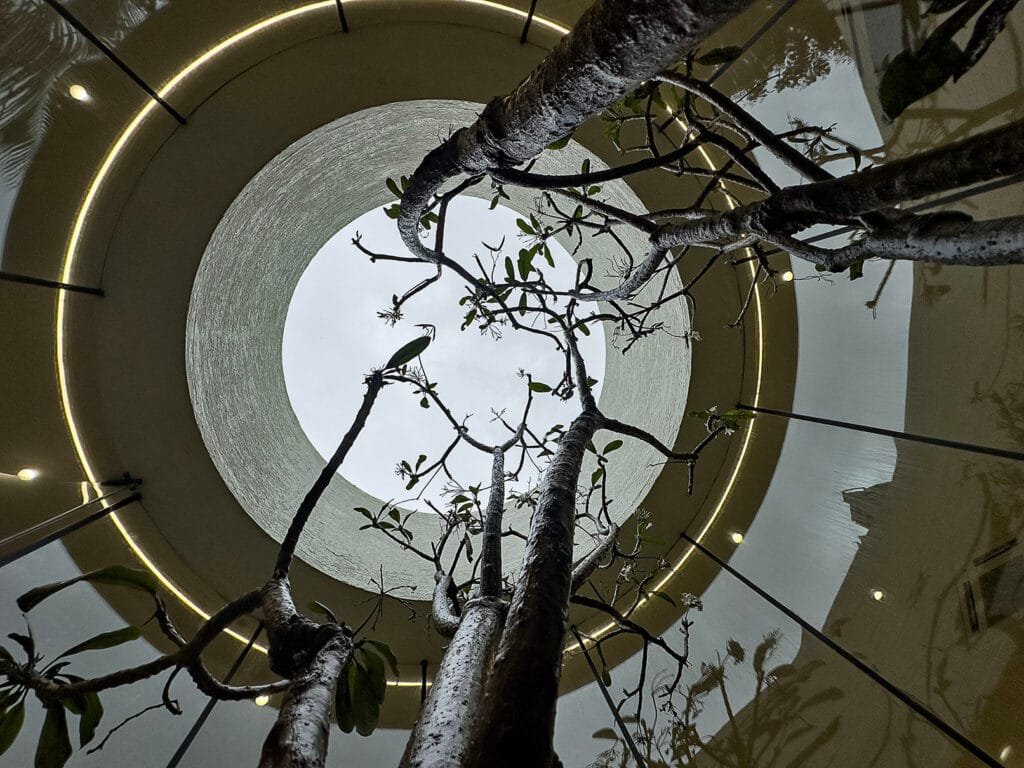
Here, sensory engagement unfolds gently. Light, texture, and proportion come together to evoke stillness rather than spectacle. The design resists the urge to impress; instead, it soothes, offering a sanctuary that draws visitors inward. This invisible emotional layer, though intangible, defines the very soul of the space. It is architecture as atmosphere, not demanding but quietly earning attention.
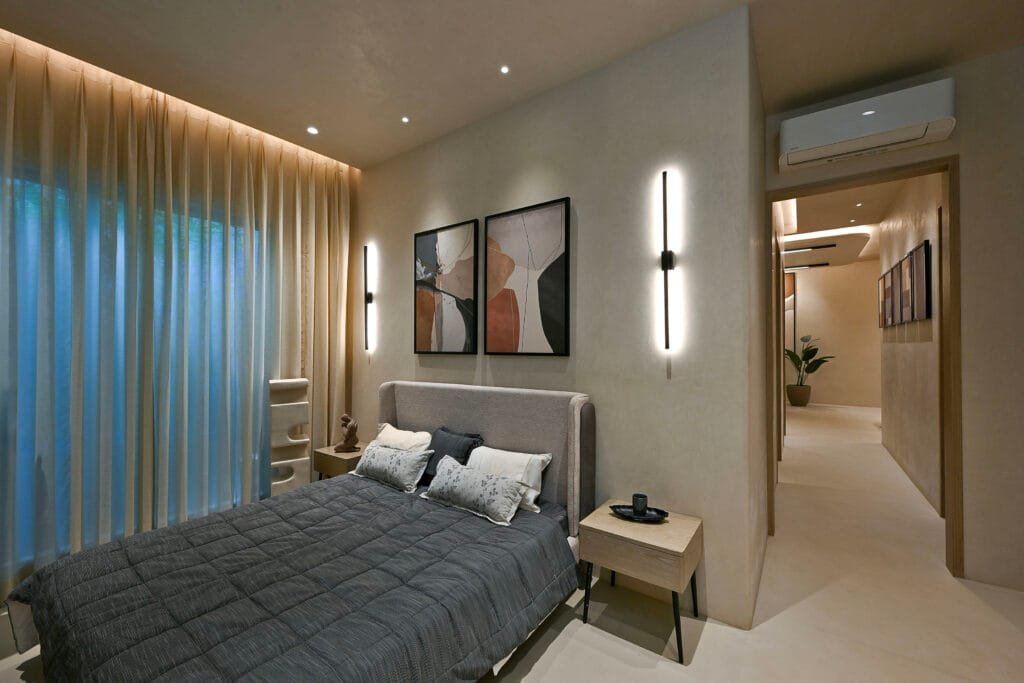
Avyaana, in essence, is a lesson in timelessness. By rejecting excess and embracing imperfection, it achieves a kind of equilibrium, one that feels both grounded in the present and enduring in its relevance. Each element, from the soft curvature of walls to the choreography of daylight, contributes to an environment that is human, sensory, and profoundly still – a space designed not merely to be seen, but to be felt.