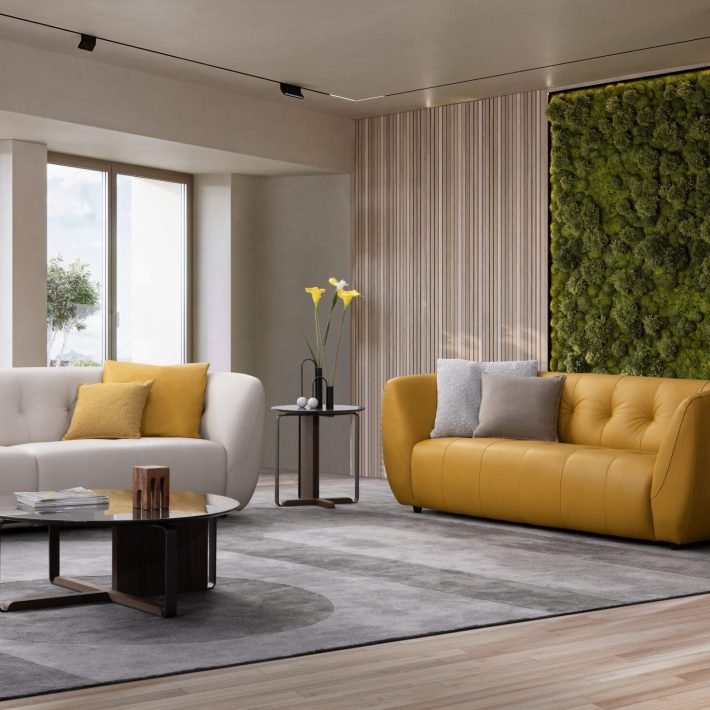

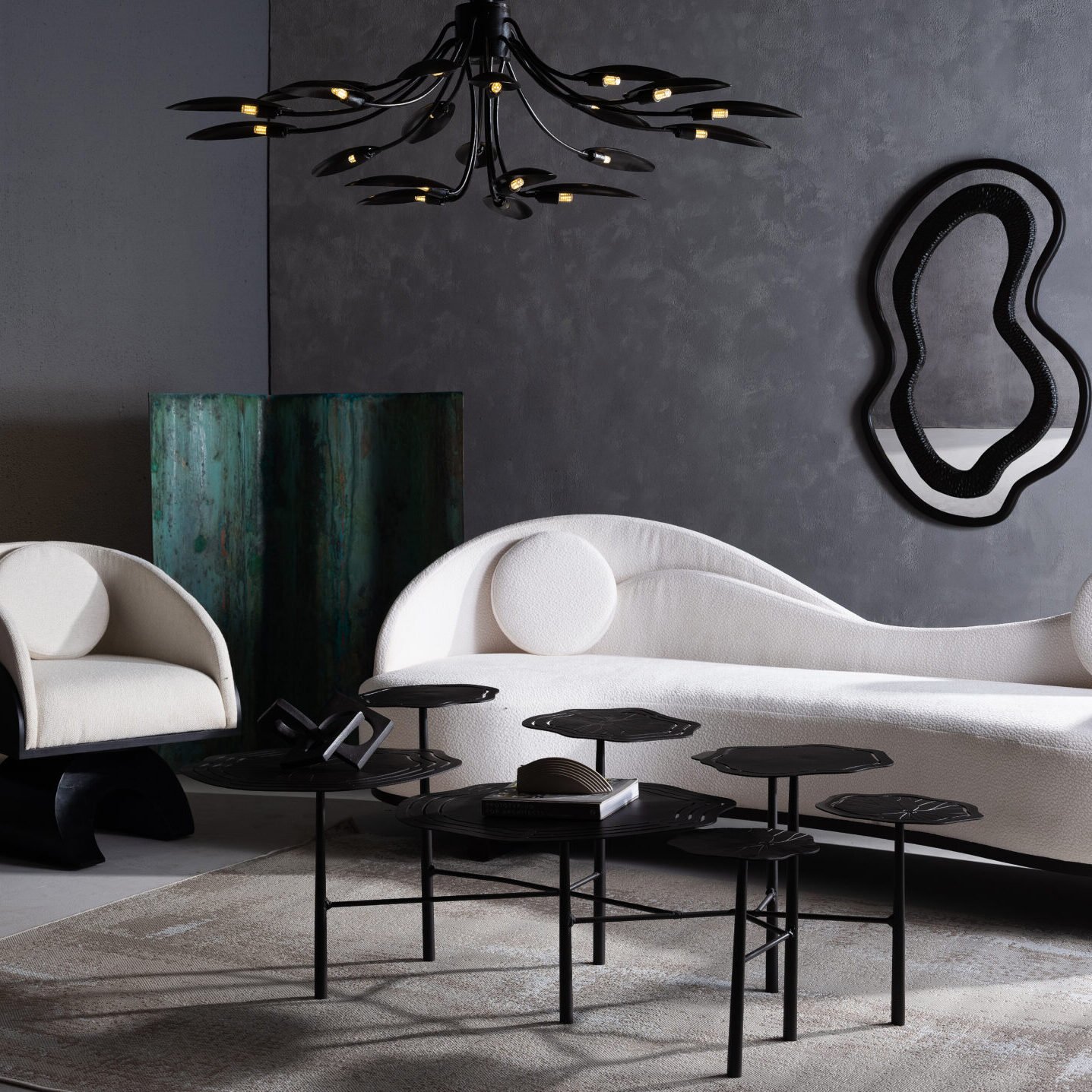
Mirrors when rightly placed add extravagance to any space. They make most of the natural light, enhance views and opens a small place.
These mirrors are sure to liven up a room and are an easy remedy to that empty space above your bed or the lonely console in the lobby. Spectacular mirrorscome in various hues and elegant designs. These stylishly designed mirrors will surely reflect the beauty of your space. Mirrors are one of the most impressive tricks in an interior designers arsenal. Use them in more architectural ways and the effects can be transformative – the illusion of more space, the ability to disguise things you want to hide and the possibility of pure glitz.
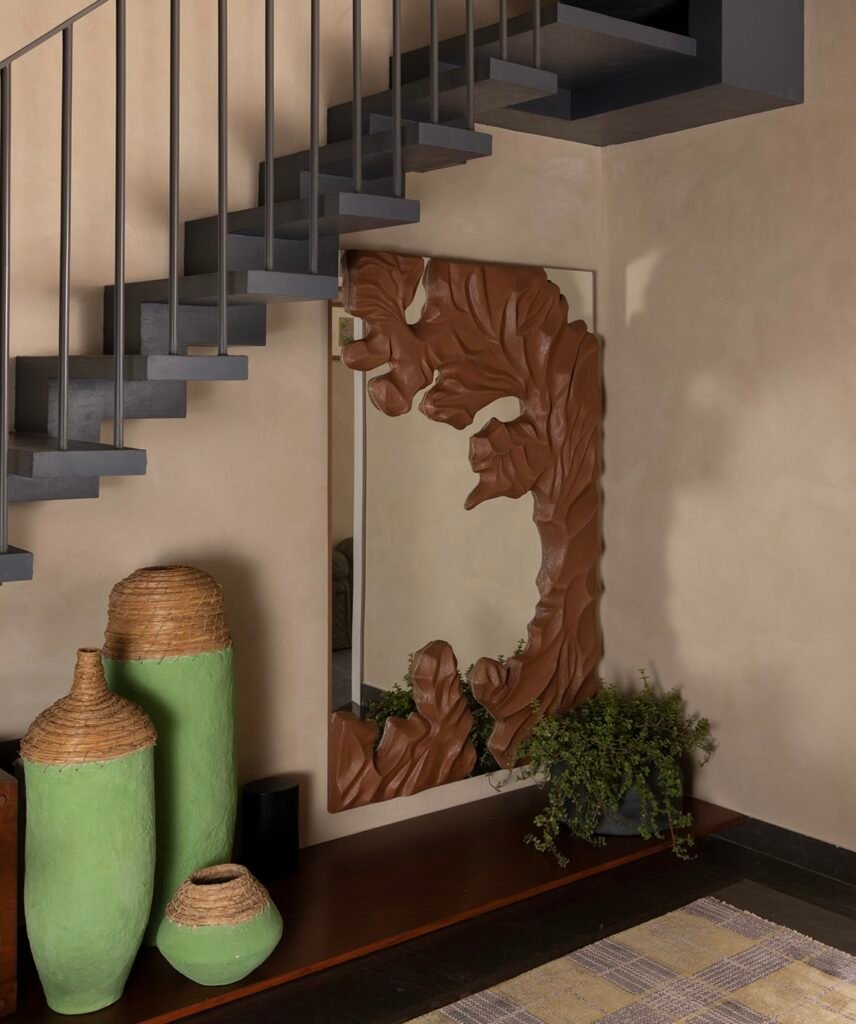
Sharing his views on the current evolving trends in decorative mirrors, Dr. Anurag Kanoria, Director, The Great Eastern Home, says, “One of the strongest trends we are seeing in decorative mirrors is the growing preference for oversized, statement-making pieces. Mirrors are no longer being treated simply as functional accessories; they are increasingly being used as focal points that define a space. Large-scale mirrors with sculptural, organic or distinctive silhouettes can create a sense of grandeur while visually expanding a room, reflecting light and adding depth. They work particularly well in living rooms, entryways, dining spaces and hospitality interiors where they can make an immediate visual impact.” He further adds, “There is also a growing interest in oversized mirrors with character and craftsmanship, rather than mass-produced, conventional designs. Vintage-inspired frames, carved wood, aged finishes and artisanal detailing add warmth and individuality to these larger pieces.
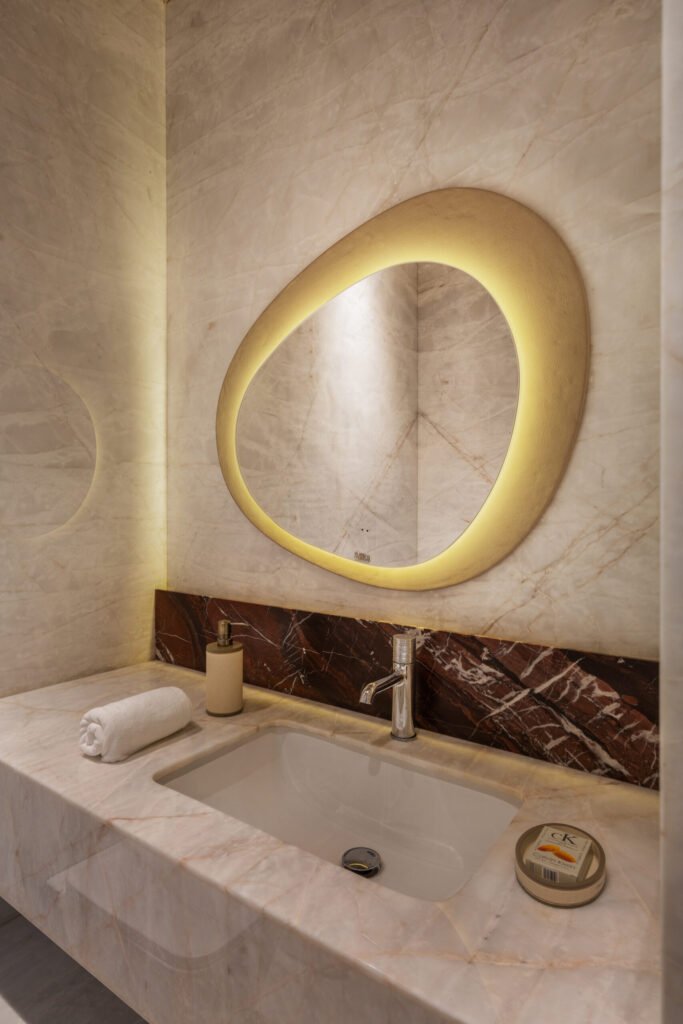
At The Great Eastern Home, we believe an oversized mirror can function almost like a piece of art, bringing together scale, craftsmanship and history while complementing both contemporary and more traditional interiors.”Anubha Aneja, Founder, HomAnan says, “Mirrors are stepping off the sidelines and becoming objects in their own right – sculptural, oversized, asymmetric, sometimes deliberately imperfect. A mirror today can have almost the same visual authority as a piece of art. What I find particularly interesting is the move away from overly polished perfection. We are seeing organic silhouettes, antiqued and smoked surfaces, carved woods, metals, tactile finishes and unexpected mixed materials. Even the reflection doesn’t always have to be pristine. There is also a lovely play with scale. One dramatically oversized mirror can alter the architecture of a room, while a composition of smaller mirrors can create its own rhythm.” Swetha Raju, Founder of Intent Made informs, “At Intent Made, we are particularly drawn to forms inspired by nature. Fluid contours, irregular geometries and materials such as carved wood and metal allow mirrors to introduce warmth, movement and depth, while becoming part of the larger spatial narrative.”
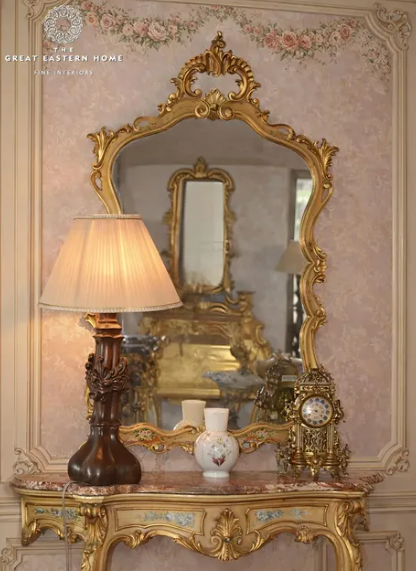
Mirrors aren’t just designed to add a decorative touch to an interior. They’re also the perfect solution for making a space feel brighter and larger. Swetha says, “Our mirrors reflect Intent Made’s larger philosophy of bringing together nature, material and craft. We look at natural forms and rhythms as starting points, translating them into contemporary objects that are both functional and sculptural.The Ari Mirror from An Escapade with Nature is inspired by the gentle ripples of water. Its fluid wooden form is created using traditional chiselling techniques, giving it a tactile, handcrafted character. Its USP lies in the balance of function and sculpture—it is a mirror, but also an artistic intervention within the space.” “Our range of mirrors is a celebration of timeless craftsmanship, heritage and old-world elegance. We have a beautiful collection of gold-gilded mirrors, characterised by ornate frames, intricate carvings, sculptural detailing and rich antique finishes. What sets the range apart is the craftsmanship and individuality of each piece, allowing the mirrors to work not just as functional elements but as statement pieces that add depth, character and a sense of grandeur to an interior”, adds, Anurag.
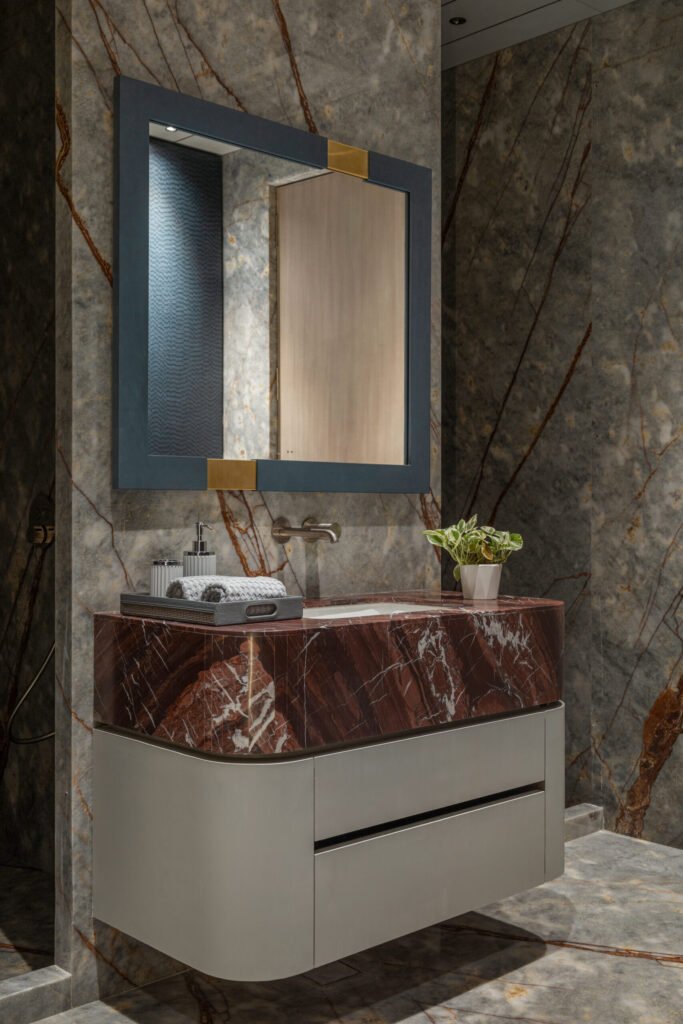
Emphasizing on the, versatility, functionality and unique aesthetics that these decorative mirrors can offer, Anurag says, “Decorative mirrors have the versatility to become an integral part of the overall furnishing, rather than being treated as an afterthought. A richly detailed mirror, for instance, can anchor a console, complement artwork and accessories, or add a layer of visual richness to a more restrained setting. Its functionality remains effortless, while the frame itself becomes an important part of the aesthetic, allowing the piece to contribute to the character and mood of the room.” “Choosing the right mirror is about understanding its relationship with the space—its scale, proportion, material, form and the way it interacts with light. A well-placed mirror can amplify light and openness in compact spaces, while a sculptural piece can anchor a larger wall. Organic forms can soften structured interiors, while restrained geometries can bring balance. Ultimately, the right mirror should contribute to the spatial narrative, moving beyond reflection to become an integral part of the home’s character”, concludes Swetha.