Events:

Latest Buzz

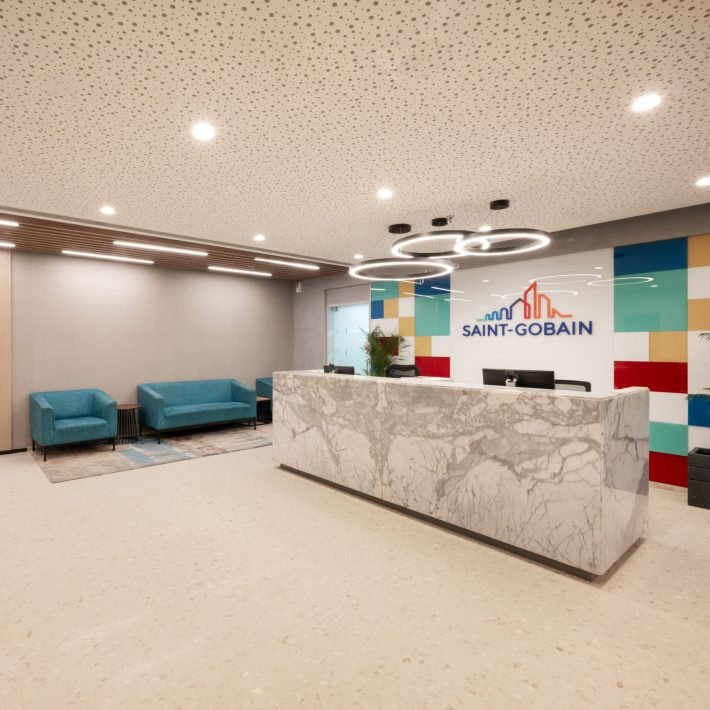
Designed by Architect Pranjal Kulkarni & Associates, this office project blends minimalism with warmth.

Designed by Architect Pranjal Kulkarni & Associates, this office project blends minimalism with warmth, with each element carefully chosen to balance functionality, elegance and efficiency.

In the dynamic urban fabric of Kolhapur (where is the office located), this workspace design project set within a compact footprint showcases how smart spatial planning and a refined design sensibility can transform limitations into compelling opportunities. Designed by Architect Pranjal Kulkarni & Associates, founded by Ar. Pranjal Kulkarni, the design of this office space is rooted in a simple belief: restraint, when applied thoughtfully, can create a strong and lasting spatial identity. Rather than relying on visual excess, the design adopts a minimal palette that allows the space to express itself with clarity and calm.

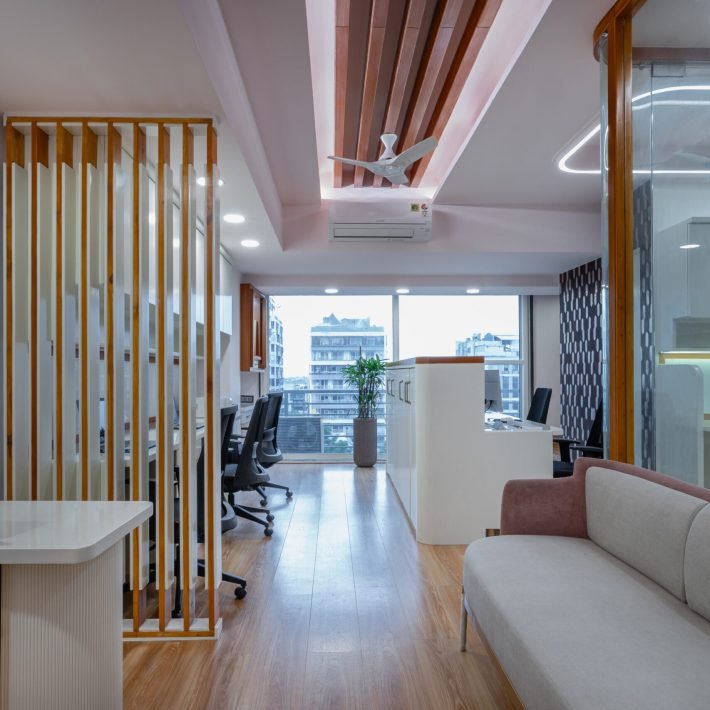
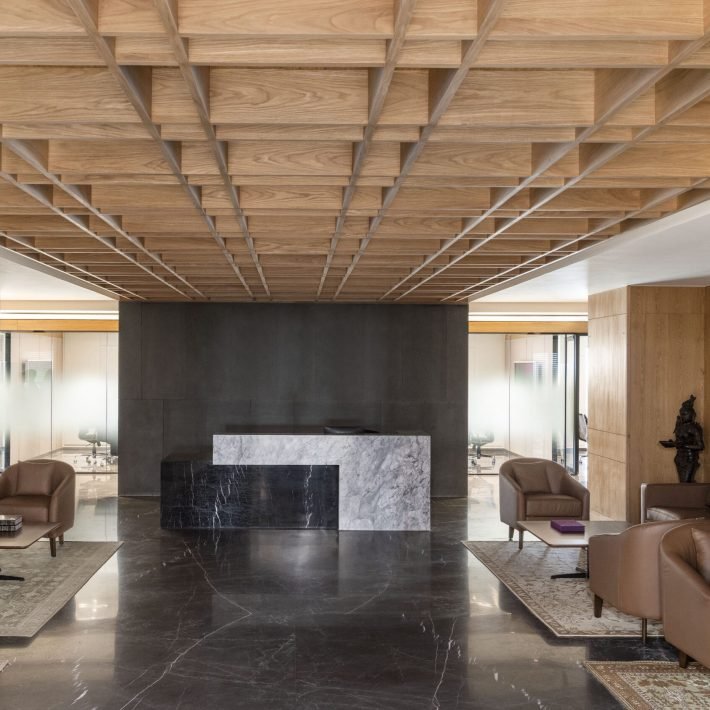
From the outset, the intention was to keep the material and colour language understated. Neutral tones, soft textures, and clean surfaces form the base of the design, ensuring that the space feels balanced and composed. This simplicity does not make the space ordinary. Instead, it allows each element to stand out in its own quiet way, giving the office a distinct yet timeless character. Vertical wall treatments, subtle lighting, and carefully selected materials are used to enhance depth and proportion. These elements help define different zones within the office while maintaining visual continuity.

The use of natural light, complemented by warm artificial lighting, creates an environment that remains comfortable throughout the day and responds gently to changing conditions.
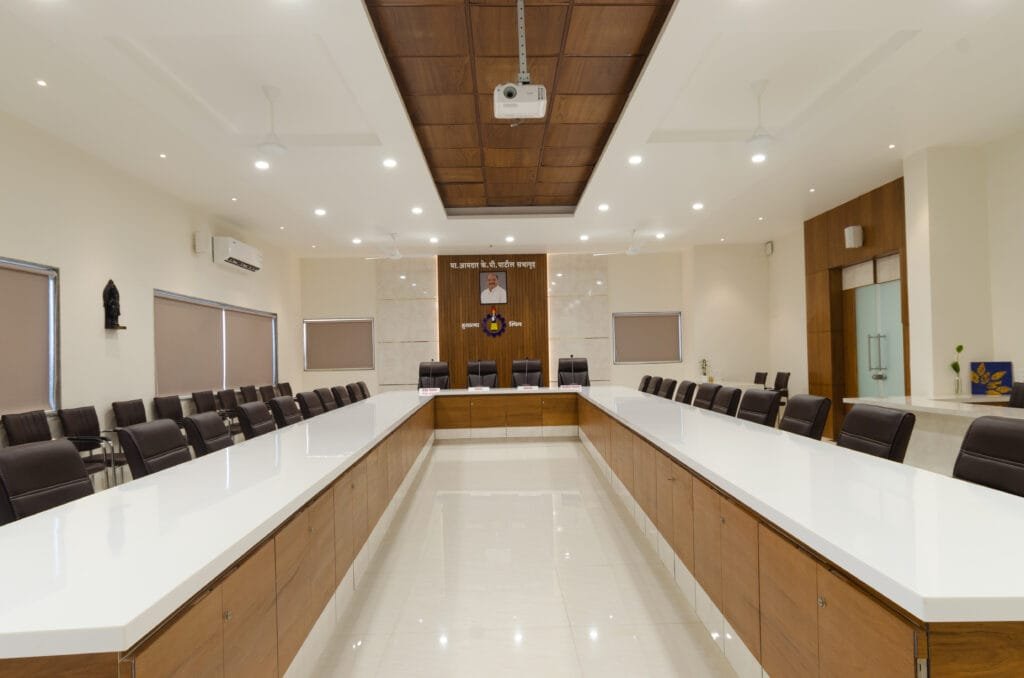
Explaining the design, Pranjal says, “Furniture and spatial layouts are designed to support everyday work without unnecessary distraction. Workspaces, discussion areas, and meeting rooms are clearly defined, yet visually connected. In spaces such as the boardroom, scale and symmetry are carefully handled to support focus and interaction, while maintaining a formal yet welcoming atmosphere.” A key design consideration throughout the project was long-term usability. The material choices and detailing reflect a low-maintenance approach, ensuring that the space remains functional and relevant over time. Rather than following short-lived trends, the design focuses on durability, practicality, and ease of use.
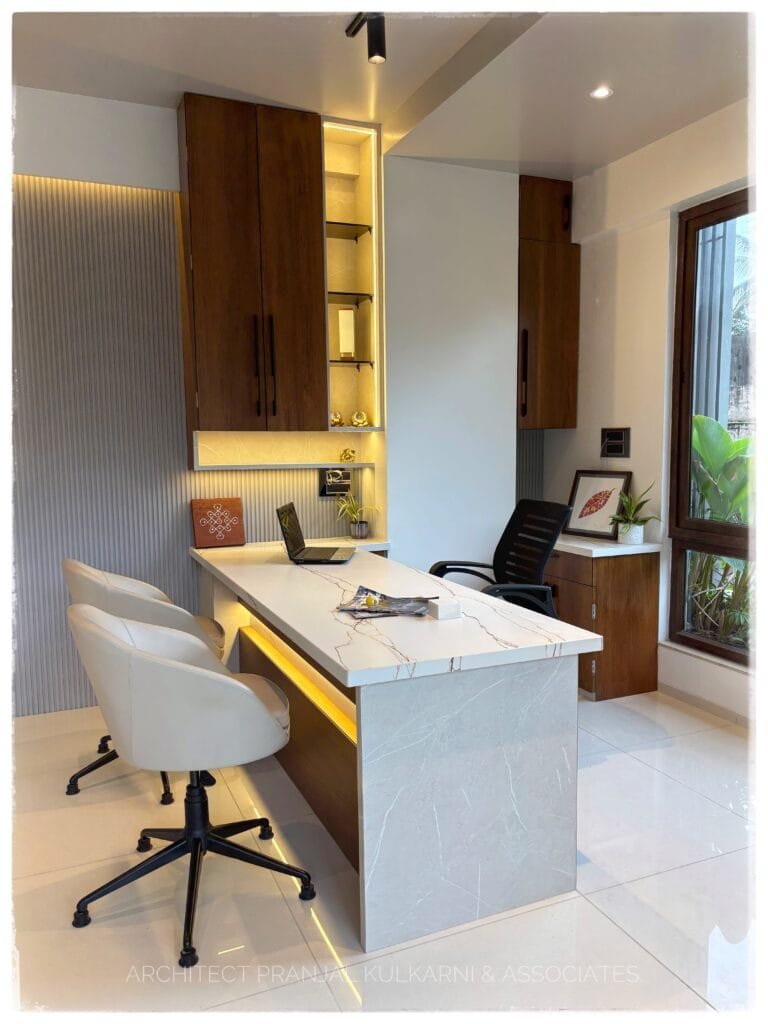
Natural elements, such as indoor plants and warm wooden finishes, are introduced selectively to soften the overall palette and add a sense of warmth. These details bring a subtle contrast to the neutral background, enhancing the spatial experience without overpowering it. The office reflects a design process that is both thoughtful and disciplined. Each space responds to its function and scale, while contributing to a unified overall language. The result is an environment that feels calm, efficient, and quietly expressive.

Through simplicity and careful planning, the design demonstrates how minimal interiors can still create a meaningful impact. It is a space that does not demand attention, but gradually reveals its intent through everyday use, making it both practical and enduring.
Related articles

Designed by SAI Consultants, Sandipani School is shaped around an old Banyan tree, turning an existing natural element into the architectural and experiential heart of the campus. The Sandipani Vidyalaya Programme is a flagship initiative of the Government of Madhya Pradesh aimed at strengthening academic practices and school-level governance. Sandipani School, Shahpur, Burhanpur, is one of the 276 schools across Madhya Pradesh developed by SAI Consultants. “During our first site visit, we discovered the most precious design element already present on the site—a 70–80-year-old Banyan tree. We immediately knew that the entire concept and planning had to revolve around this Vat Vriksha. Rather than treating it as a landscape element, we envisioned it as the first classroom, the heart, and the soul of the campus.” Explains Ar. Mayooree Saxena, Founder and Principal Architect, SAI Consultants. The Kindergarten block is therefore not simply built around the tree, but designed for the tree. The Banyan becomes the central courtyard, assembly space, storytelling circle, and a living memory for generations of students. Kindergarten classrooms open directly onto the shaded courtyard, finished with a soft, non-slip rubber deck. A 6-metre radius around the trunk is maintained as a no-construction zone, protecting the tree and its natural drip line. Sand pits and outdoor chalkboards are integrated beneath its shade, transforming the courtyard into an informal learning environment. The campus is organized through a clear academic hierarchy. The front zone accommodates Kindergarten, administration, and parent waiting areas. Primary and Middle School occupy the lower floors, organized around internal courtyards, while the upper floors accommodate Secondary and Senior Secondary classrooms, laboratories, and the library. A dedicated service zone houses the midday meal kitchen, dining hall, staff facilities, and bus bay, ensuring service movement remains separate from academic circulation. A continuous shaded verandah forms a loop connecting the campus, allowing students to move comfortably while remaining protected from Burhanpur’s intense sun Learning & Community Spaces like Modern Biology, Physics, and Chemistry laboratories feature generous daylight, ventilation, preparation rooms, and island counters for collaborative experiments. The library is positioned opposite the Banyan, creating a symbolic balance—one tree provides shade, the other provides knowledge. Dedicated spaces for dance, music, and art encourage creative learning, while a 300-capacity dining hall, student-maintained kitchen garden, and colorful handwash courtyards integrate community, nutrition, and everyday learning. The multipurpose hall at the entrance accommodates large gatherings and two badminton courts, supported by an 8-metre-high column-free volume and acoustic treatments. Climate-Responsive Design-Responding to Burhanpur’s extreme summer temperatures of up to 45°C, the campus uses North–South orientation, 2.4-metre-deep verandahs, reflective terrace finishes, Kota stone flooring, and courtyard-based ventilation. Rainwater harvesting systems recharge groundwater around the Banyan, while its canopy creates a cooler microclimate within the Kindergarten zone. Sandipani School is not a school with a tree. It is a tree with a school growing around it. Children enter beneath its shade and graduate having grown like it—deeply rooted in values and reaching outward in knowledge.