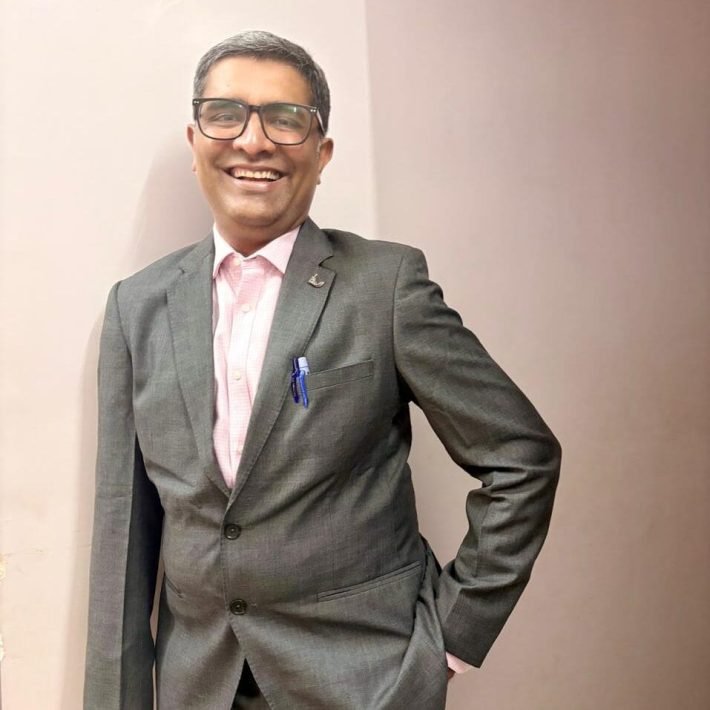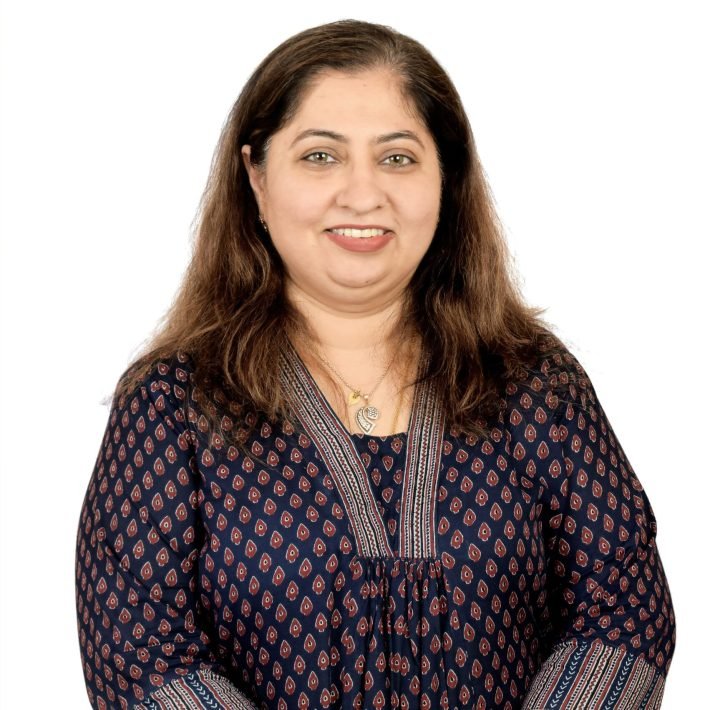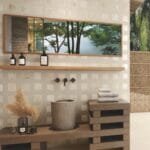

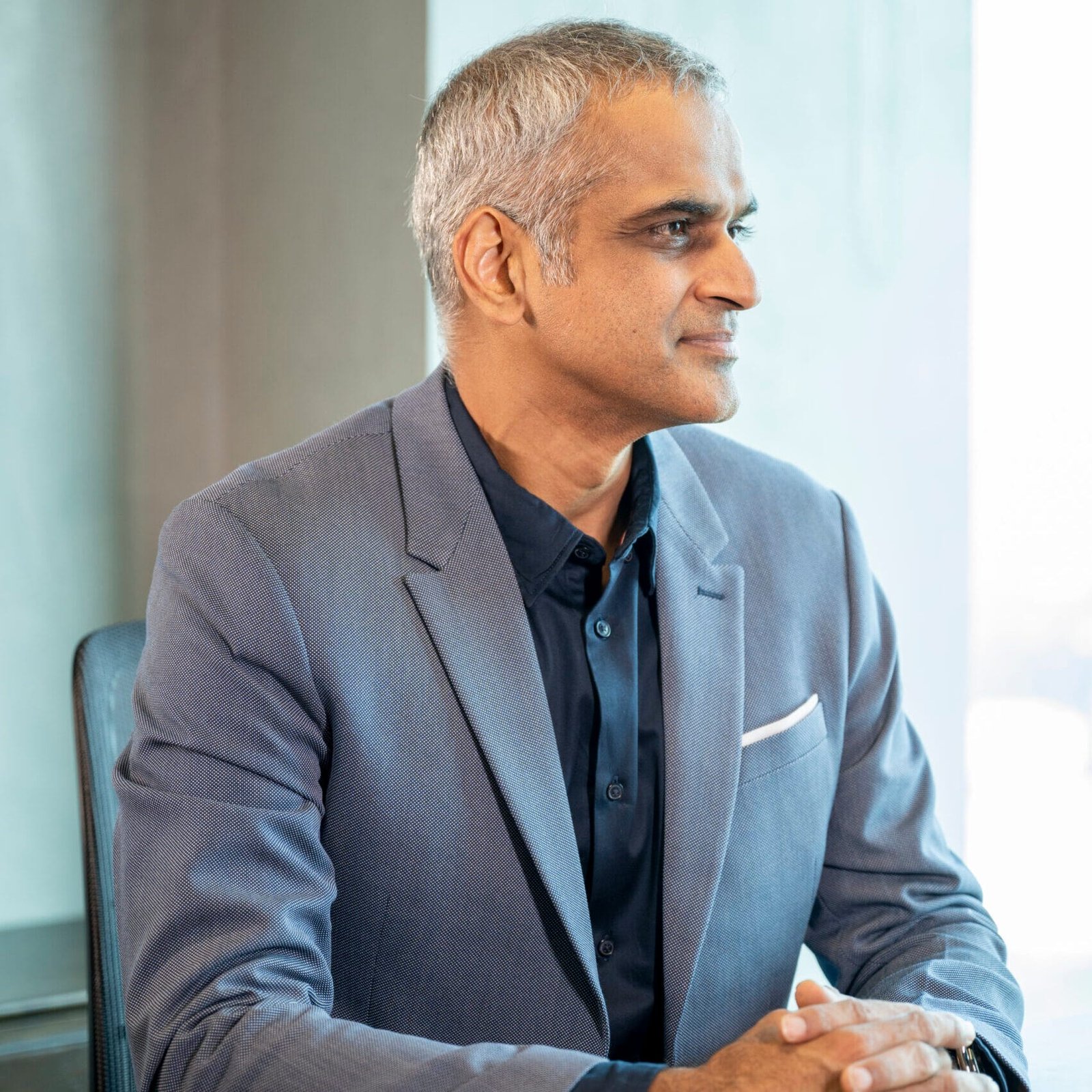
In our expert view section, we explore the use of microcement, terrazzo, and stonecrete with Mehul Jain, Managing Director, Vyara Tiles, who shares insights on how, with their brand FreeForm, these age-old materials have become an intrinsic part of the modern design language.
How important is the sensory dimension of texture, tone, and touch in architectural design today?
The sensory experience has become central. As visual references and products circulate globally, many spaces start to look similar. What still gives a place its own identity is how it feels: the grain underfoot, the warmth or coolness of a tone, the way light rests on a surface. Texture, tone, and touch are what anchor a space in memory; without them, it risks becoming just another image.
How does FreeForm approach the creation of materials that evoke emotion and atmosphere?
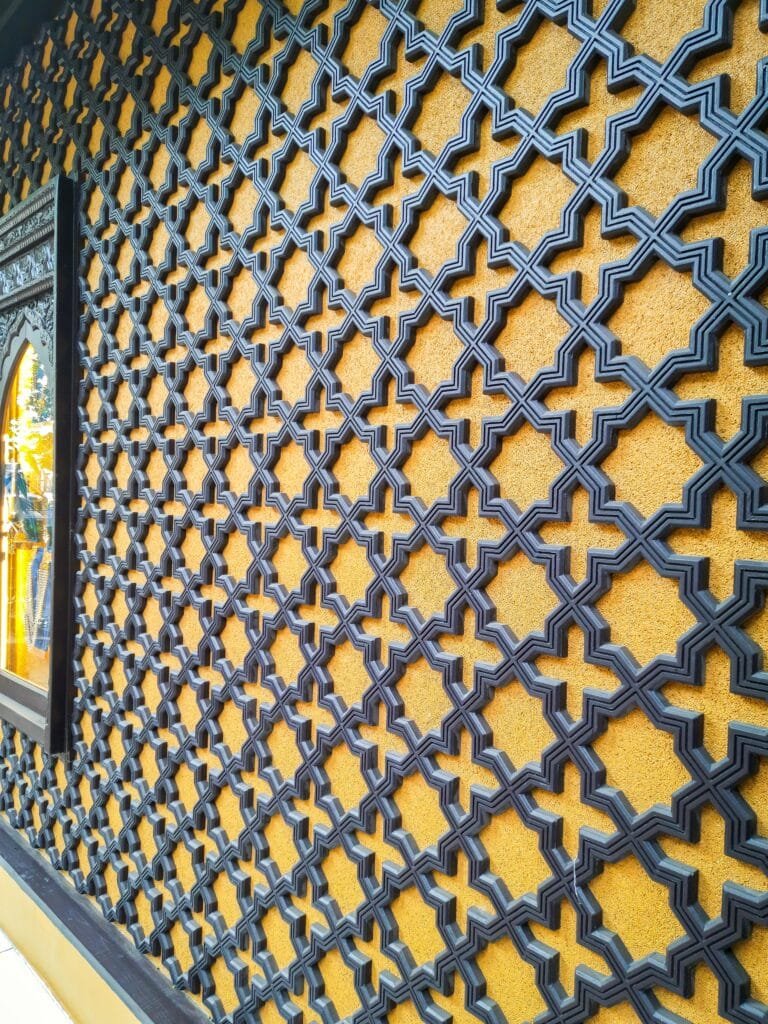
We start from the atmosphere, not from product. With each FreeForm system, we work with families of aggregates, grain sizes, and finish profiles, and then tune colour and reflectance to suit the brief. A living room might need a warmer, forgiving surface; a gallery might call for something quieter and more even. The idea is to create finishes that feel crafted and bespoke, yet remain technically reliable for large projects.
What materials or finishes best represent this sensory shift in architecture?
Our interior Terrazzo and Microcement ranges express it strongly, with soft, matte surfaces with just enough movement to feel alive without becoming visually noisy. For exterior and landscape areas, Stonecrete, Pebblewash, and the Novasol range carry the same calm, tactile language outdoors. They invite contact with bare feet, weather, and time, and they age in a way that feels natural rather than synthetic.
How do designers use surface tactility to express brand, identity, or mood in spaces?
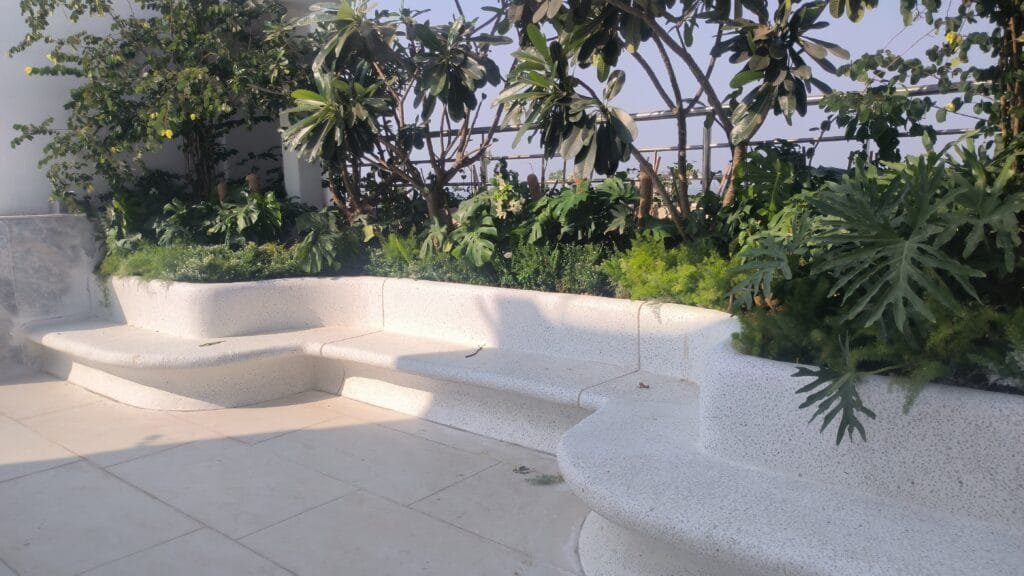
Tactility has become a quiet but powerful way to signal identity. A hospitality project may choose open, slightly rustic textures that say “warm, lived-in, welcoming”. A cultural or institutional space might lean towards finer, denser surfaces that suggest composure and calm. Because our systems can run continuously from floor to stair, plinth, bench, or low wall, the same tactile language can subtly reinforce the brand or narrative across the entire space.
How do you foresee the evolution of tactile design in contemporary architecture?
Tactile design is moving away from being a “feature moment” and becoming part of the basic fabric of a project. Many material brands now offer textured options because flat, glossy surfaces on their own don’t hold users for long. At FreeForm, this tactile quality is not an add-on; it is woven into the character of our mineral, cast-on-site systems. I see a continued shift towards calmer, more grounded surfaces that support wellbeing rather than compete for attention.
How can emerging material technologies reshape the way we think about texture, tactility, and sensory experience in architecture?
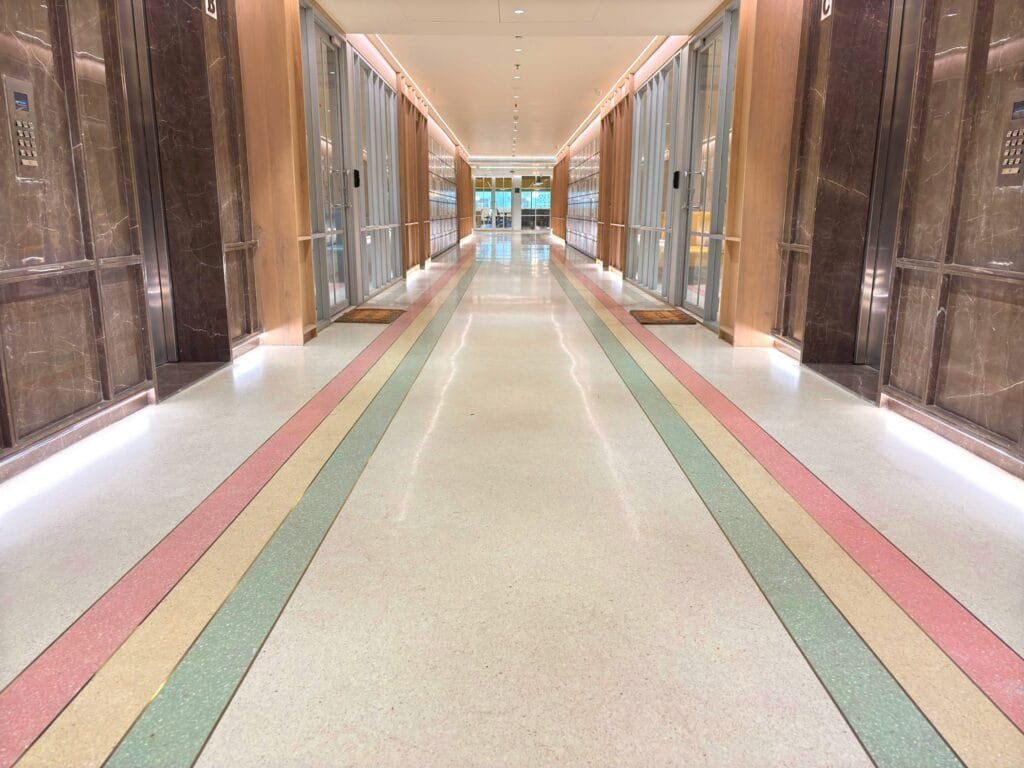
New binders and premix technologies allow us to make thinner, stronger, low-VOC systems that still feel soft and natural to the touch. They also give us better control over colour, sheen and surface behaviour. Ideally, this technology stays in the background; the user should feel a quiet, human surface underfoot, not the engineering behind it. But it does enable more nuanced, more sustainable sensory design.
What role does customisation of tone, finish, and surface behaviour play in enabling designers to craft more meaningful and expressive spaces?
For a well-designed project, customisation is almost the definition of design. If a space is meant for a particular user group and context, simply copying a finish from somewhere else feels insufficient. Being able to tune slip feel, sheen level, grain size and colour depth allows designers to align the surface with how the space will actually be used and experienced, not just how it will look in a photograph.
How can innovation in surfaces balance aesthetic ambition with the growing need for sustainability and long-term performance?
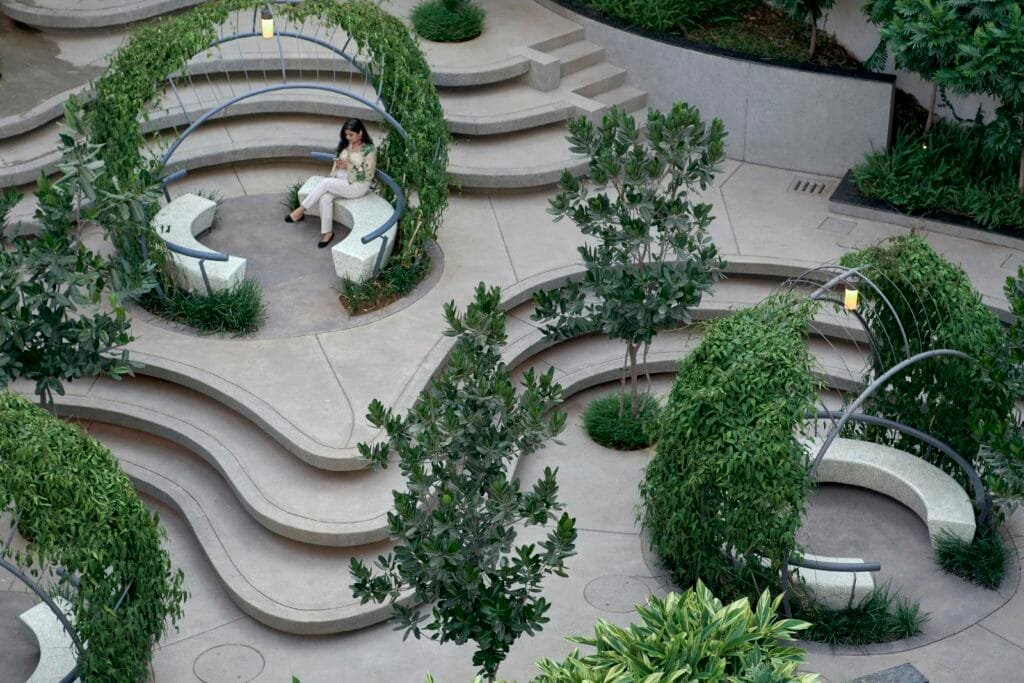
If sustainability is treated as an a priori requirement, not a later checkbox, the balance becomes much easier. We work extensively with recycled glass and stone in our terrazzo, use supplementary cementitious materials wherever possible, and focus on long-life, repairable finishes. When durability and environmental responsibility are built into the material, designers can pursue aesthetic ambition and sensory richness without feeling that they are compromising on performance.
Which upcoming trends in material science and fabrication are most likely to influence the future language of architectural finishes?
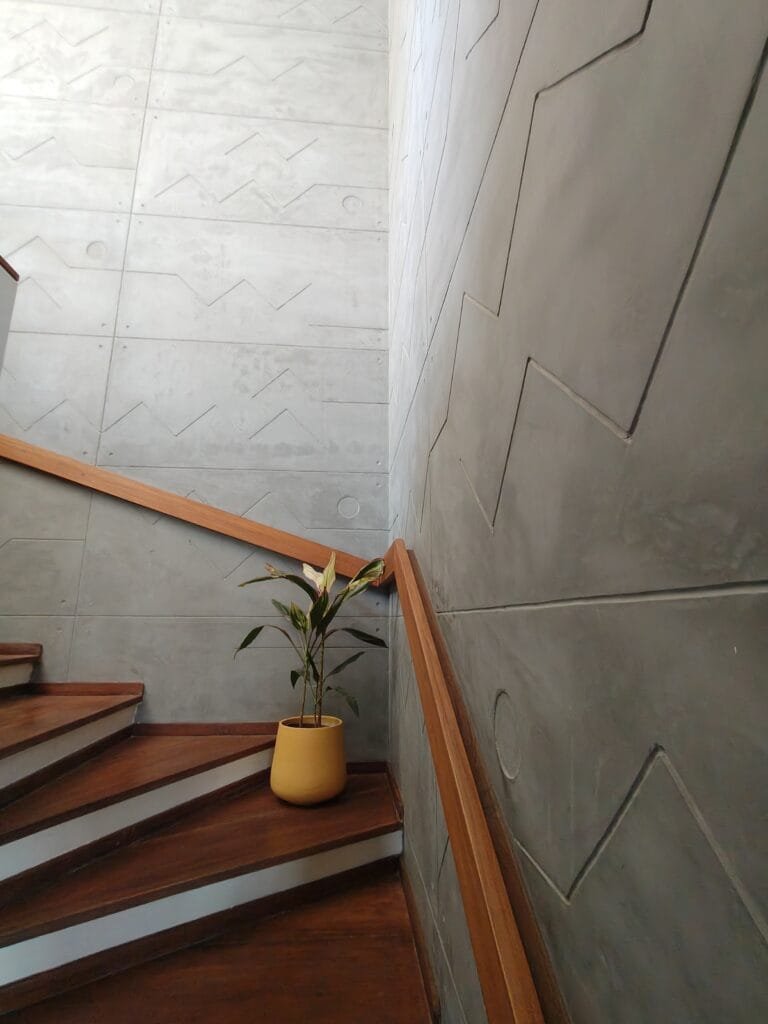
We see greater use of exposed aggregate claddings, thin terrazzo, and seamless mineral surfaces for both indoors and outdoors. Materials that balance function, flexibility, aesthetics, and sustainability will naturally rise to the top. Calm, tactile, mineral finishes that can move across multiple elements in a project like floor, stair, plinth, bench, etc. are, in my view, going to form a big part of the future language of architectural surfaces.
Vyara Tiles Limited
903 Rajhans Montessa,
Dumas Road, Near Le Meridian
Surat, Gujarat 395007
+91 9374001415
info@vyaratiles.in
www.freeformbyvyara.in